
Throughout our millennia-long history, we’ve often found ourselves fighting for survival—whether against saber-toothed tigers, dinosaurs, wolves, bears, or even two-legged animals (yes, we mean humans!). Cold, heat, precipitation, and gravity have all tried to bring us down, yet somehow, our species managed to overcome it all. How did we do it?
The Importance of Knife Skills in Survival Scenarios
The answer lies in our ingenuity and resourcefulness, which led to one of humanity’s greatest inventions: the knife. This simple tool became the cornerstone of our survival and played a pivotal role in our evolution, from Homo habilis to Homo sapiens.
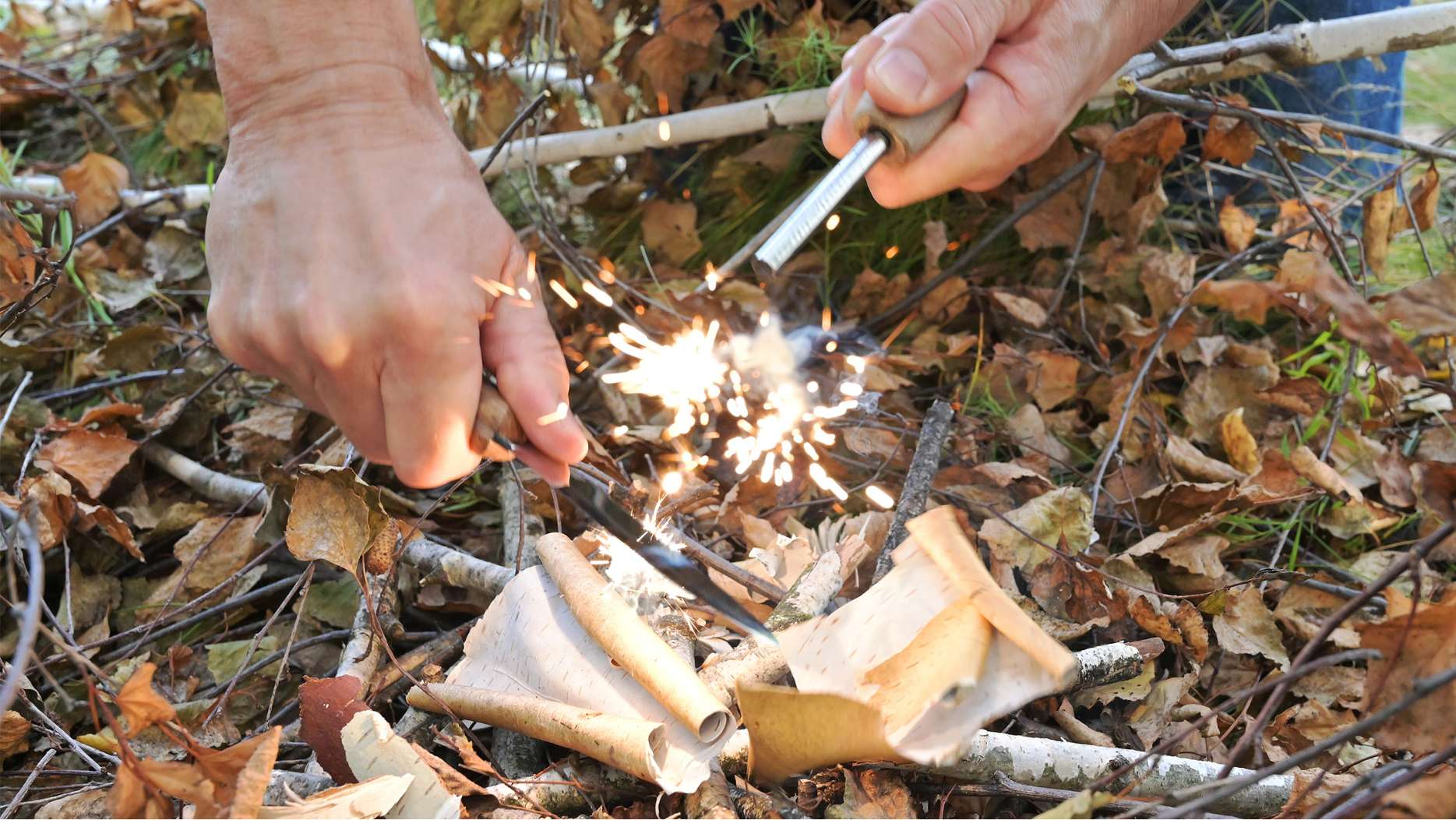
A small yet mighty piece of sharp steel, the knife has been invaluable in solving countless survival challenges—whether it’s cutting food, skinning animals, making fire, working with wood, splitting logs, building shelter, or defending ourselves against both wildlife and scoundrels.
In modern times, our need for survival skills is less urgent. We live in cities that offer protection from the elements and predators, and we can easily buy whatever food we need. But who knows what tomorrow may bring?
After all, even the most innocent walk in the wilderness can suddenly turn into a life-or-death situation, demanding the very survival skills that helped our ancestors conquer the wild.
Basics of Knife Survival Skills
It’s better to know something and not need it, than to need it and not know it! Let’s talk about basic knife skills.
Essential Knife Techniques
- Batoning: Batoning is the process of using a knife to split wood by striking the back of the blade with a baton (a larger piece of wood). This is useful for splitting logs and gathering firewood.
- Feathering: This involves shaving thin strips from a piece of wood to make fine curls, which are great for starting a fire. Feathering is an essential skill in fire preparation.
- Carving: A survival knife should be able to carve wood for making tools, traps, or utensils. The ability to carve with precision is an essential survival skill.
- Prying: In some survival situations, you may need to use your knife to pry open items, such as crates or debris. The strength of your knife handle and blade will play a role here.
- Skinning: If hunting is part of your survival strategy, knowing how to skin animals quickly and efficiently is crucial. A sharp, sturdy blade is ideal for this task.

Types of Knives for Survival
The best survival or self defence knife depends on your specific needs (terrain, climate, tasks), but here are a few general types of knives you might consider:
- Fixed-Blade Knives: Recommended: Your best choice for most survival situations, a fixed-blade knife is often considered the best. The blade is strong and durable, with no folding mechanism that could break.
- Folding Knives: Recommended: These are great for portability but are generally less durable for heavy tasks than fixed-blade knives.
- Multi-tools: Recommended: These are more versatile but less robust than dedicated knives. They are great for light tasks but might not handle heavy-duty survival needs well.
Choosing the Right Knife for Survival
- Blade Length: A blade between 4-7 inches is ideal for a survival knife. Anything shorter might lack power for heavy tasks, and anything longer could be unwieldy.
- Blade Material: Look for high-carbon steel or stainless steel. High-carbon steel holds a sharper edge but can rust more easily. Stainless steel is more resistant to rust but might not be as sharp out of the box.
- Handle: Ensure the handle is ergonomic, non-slip, and durable. Materials like rubber, G-10, or Micarta are popular for comfort and grip.
- Weight: A heavier knife offers more chopping power, but a lighter knife is easier to carry and handle for prolonged use.

Types of Training and Courses Available
As we said above, knife skills course can be incredibly useful for self-defense, wilderness survival, or even as part of a broader skill set in hand-to-hand combat or tactical situations! Training courses vary widely depending on your goals and the type of training you’re looking for (survival, defense, or tactical).
Wilderness Survival Courses
If you’re typing “knife skills class near me” in search bar and looking for survival-focused training (using a knife for things like shelter-building, fire-making, or food preparation), the following may be helpful:
Wilderness Survival Schools: Many wilderness schools offer knife skills as part of their broader survival courses. These schools teach how to properly handle a knife in different survival situations. Some well-known schools include:
- The Pathfinder School: Known for survival training, including using knives for shelter-building, carving, and food prep.
- Tom Brown Jr. Tracking School: Offers a variety of survival courses, with some focus on tools like knives.
- Bushcraft Courses: These courses often cover knife handling in outdoor environments, from simple cutting tasks to more complex uses like building traps or crafting tools.
Knife Skills Workshops: Some specialized workshops focus specifically on how to use knives for outdoor survival, including things like:
- Carving (e.g., making tent pegs or fishing hooks)
- Food Preparation (e.g., gutting animals, cleaning fish, kitchen knife skills)
- Fire Making (e.g., using knives for bow drills or fire-starting techniques)

Tactical and Self-Defense Knife Training
If you’re more interested in self-defense or combat scenarios, look for courses that specialize in martial knife techniques. Some systems incorporate knife defense into broader self-defense or tactical courses.
- Kali/Arnis/Eskrima: These Filipino martial arts emphasize blade work, including both offense and defense with knives.
Inosanto Academy: Based in the U.S., this academy (run by the famous Dan Inosanto) offers excellent training in Filipino martial arts and training knife fighting.
Modern Arnis: This system is known for its emphasis on using knives and other edged weapons in close combat situations.
- Krav Maga: While Krav Maga is generally focused on hand-to-hand and unarmed combat, many schools teach “knife defense” as part of their curriculum. The key here is learning how to defend against knife attacks and how to neutralize threats using knives.
- Combat Knife Classes: These are specific courses that teach military or police knife techniques, typically under intense scenarios like close-quarters combat, ambush, or evasion.
- Tactical Edge: Companies like Tactical Edge offer knife training designed for military, law enforcement, and security professionals. These courses typically cover blade tactics, disarm techniques, and practical knife use.
- American Tactical Shooting Association (ATSA): Some tactical training centers offer knife classes that teach you how to handle knives while under pressure, during close encounters, or as part of a larger tactical plan.
- SPEAR (Systematic Pressure Point): Some self-defense academies offer courses that incorporate knife techniques within the framework of SPEAR, which includes methods of preemptive strikes and quick neutralization.

Online and In-Person Options
If you don’t have access to a local wilderness survival course, there are several online programs or training resources that can teach you basic knife survival and combat skills.
- Udemy: There are a few good courses on knife defense and survival on Udemy, ranging from basic techniques to more advanced methods for fighting and survival with a blade.
- YouTube: Many martial artists and survival experts post instructional videos, which can give you a sense of how to practice knife techniques. However, be cautious with free content and ensure that it’s taught by credible instructors.
What to Expect from Knife Survival Training
Knife survival training can vary depending on the course, instructor, and focus (whether it’s wilderness survival, tactical defense, or combat). However, there are some common skills, concepts, and techniques that you can expect to learn, regardless of the type of training. Here’s a breakdown of what to expect:
1. Knife Safety and Handling
- Proper Grip and Control: You’ll learn how to hold the knife correctly for various tasks, whether it’s for carving, cutting, or self-defense. Proper grip ensures safety and control, reducing the risk of injury to yourself.
- Handling Techniques: Basic knife handling, including how to use the knife efficiently without tiring your hand or losing control. This includes learning how to safely draw the knife and store it.
- Safety Protocols: You’ll be taught how to handle knives safely, avoiding accidents, especially when using them in high-stress environments like combat or survival scenarios.
2. Knife Selection and Maintenance
- Choosing the Right Knife: In survival training, you may be taught what to look for in a good survival or utility knife, such as blade material, length, shape, and balance.
- Knife Maintenance: Knife care, such as keeping the blade sharp, cleaning, oiling, and how to properly store the knife to ensure it’s always ready for use.
3. Survival Techniques Using a Knife
If the training is focused on survival (like wilderness survival), expect the following:
- Shelter Building: Learning how to use your knife to help build shelters by cutting wood, carving branches, and even making tools for creating a shelter (e.g., stakes, frame supports).
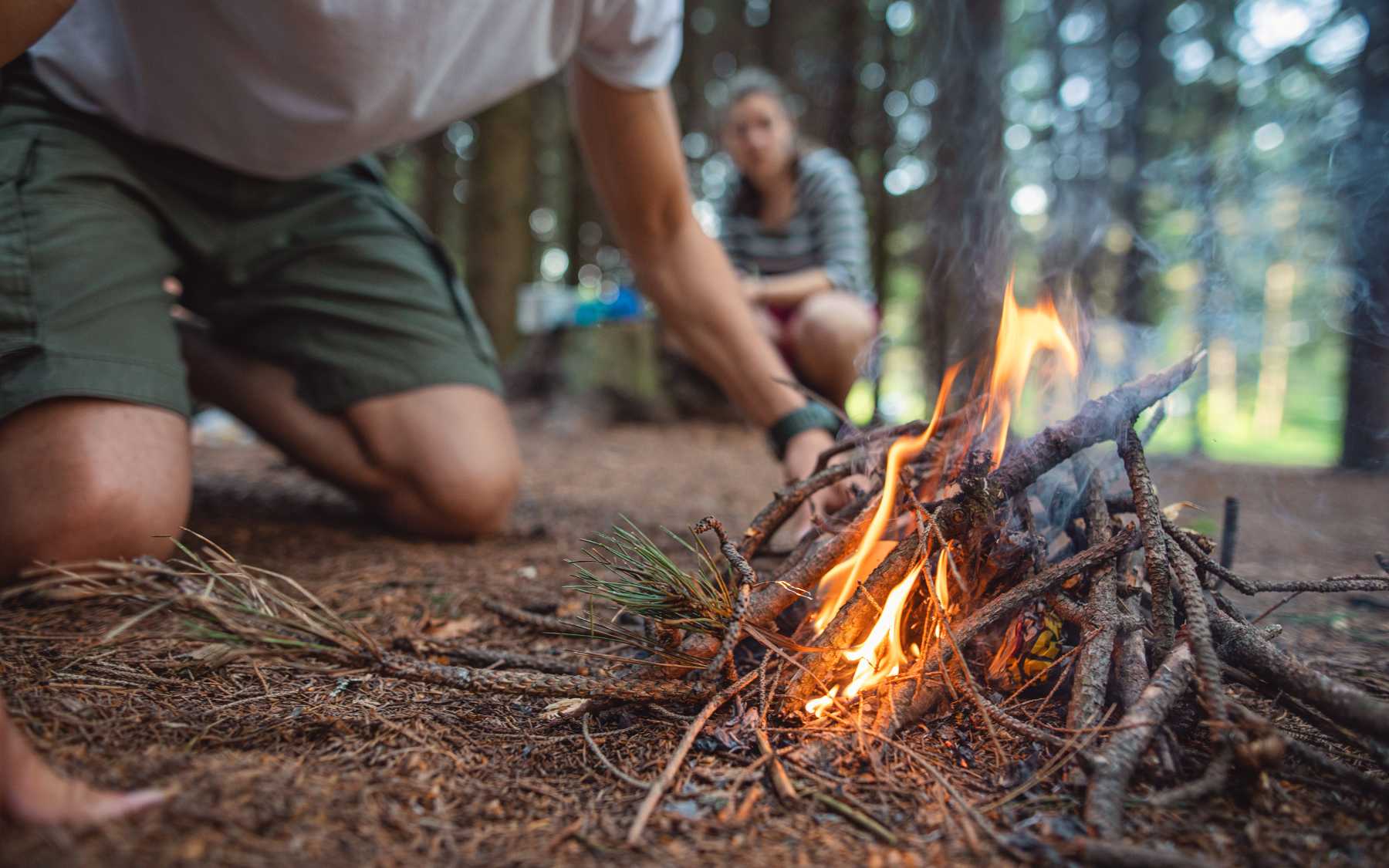
- Fire Starting: In some courses, you’ll learn how to use your knife to help create a fire, either through direct methods like a fire starter or by creating a bow drill or other fire-making tool.
- Food Prep and Hunting: You’ll likely be taught how to use the knife to clean and process food (like fish or small game) and how to use it to cut or carve things necessary for survival.
- Carving and Crafting: Expect to practice carving wood for survival tasks like making a spear, trap, or fishing hook. You’ll get used to precise cuts for shelter construction and tool-making.
4. Self-Defense and Combat Knife Skills
If the training is more defense- or combat-oriented, here are some things you might focus on:
- Stance and Movement: Proper footwork and body positioning to stay balanced and protect yourself during an attack. Knife fighting is often about maneuvering and control, not just brute force.
- Offensive Techniques: You’ll learn how to attack using the knife, including thrusts, cuts, slashes, and jabs. Many courses will emphasize striking at vulnerable areas like the arms, face, or torso.
- Defensive Techniques: You’ll practice defending against an attacker with a knife, including blocking, evading, or using the blade to disarm an opponent.
- Close-Quarter Combat: Knife fighting is often up close and personal. Expect drills on how to fight in tight spaces or under stressful conditions, and how to use the knife effectively in close-quarters combat.
5. Tactical Knife Skills (If Applicable)
For courses with a more tactical focus, you may learn things like:
- Disarmament Techniques: How to safely disarm an opponent armed with a knife.
- Situational Awareness: Training to recognize when a knife might be used against you and how to de-escalate or counter-attack.
- Use of Knife in Team Operations: If you’re training for tactical or military-style situations, you may learn how knives are used in tandem with other weapons or as part of a broader strategy.
- Stealth Techniques: How to carry and deploy a knife discreetly, especially in covert or tactical situations.
6. Psychological and Physical Conditioning
- Mindset: Especially in tactical or combat training, you’ll focus on the mental aspects of fighting with a knife. This includes controlling fear, staying calm under pressure, and developing a warrior mindset.
- Endurance and Physical Conditioning: Knife training can be physically demanding. Expect to be in good physical shape, with exercises that improve stamina, flexibility, and agility. Many combat-focused courses incorporate full-body conditioning to help you perform under physical stress.
- Stress Drills: You might be put through scenarios or mock situations designed to push your stress levels, mimicking real-life combat situations or survival stressors, helping you develop mental toughness.
7. Simulation and Sparring
- Controlled Scenarios: Knife training often involves sparring with instructors or classmates in controlled environments. This helps you develop real-time decision-making skills, practice techniques under pressure, and learn how to react instinctively.
- Role-playing Situations: In some courses, you might engage in role-playing where you’re given a scenario (e.g., you’re cornered in a narrow space, or you’re ambushed) and you have to use your knife to either defend yourself or escape.
- Knife vs. Knife: Some advanced courses will teach you how to deal with a threat from another person armed with a knife. These drills are usually intense and focused on quick reactions and effective defense.
8. Law and Ethical Considerations
- Legal Implications: Some courses will discuss the legalities of using knives for self-defense, including when it’s justified to use a knife in combat or survival situations.
- Ethical Considerations: You may also explore ethical concerns surrounding knife use, such as how to handle situations where you have to defend yourself or others with a knife.
What to Bring and Prepare
- Your Own Knife: Some courses might provide knives, but it’s generally best to bring your own if you have one, especially if you’re taking a survival or combat class.
- Comfortable Clothing: Expect to move around a lot, especially in tactical or combat training, so wear something that allows free movement. Sturdy pants and durable shoes are a must.
- Physical Fitness: Knife training can be intense, so it’s good to prepare by getting in shape if you’re not already. Basic cardio, strength, and flexibility will help a lot in combat-focused courses.
Conclusion
Every person should know how to properly handle a knife, as it can be an important skill for protecting yourself and your loved ones in times of danger. Visit our online store to explore a wide range of high-quality blades at unbeatable prices! See ya!