
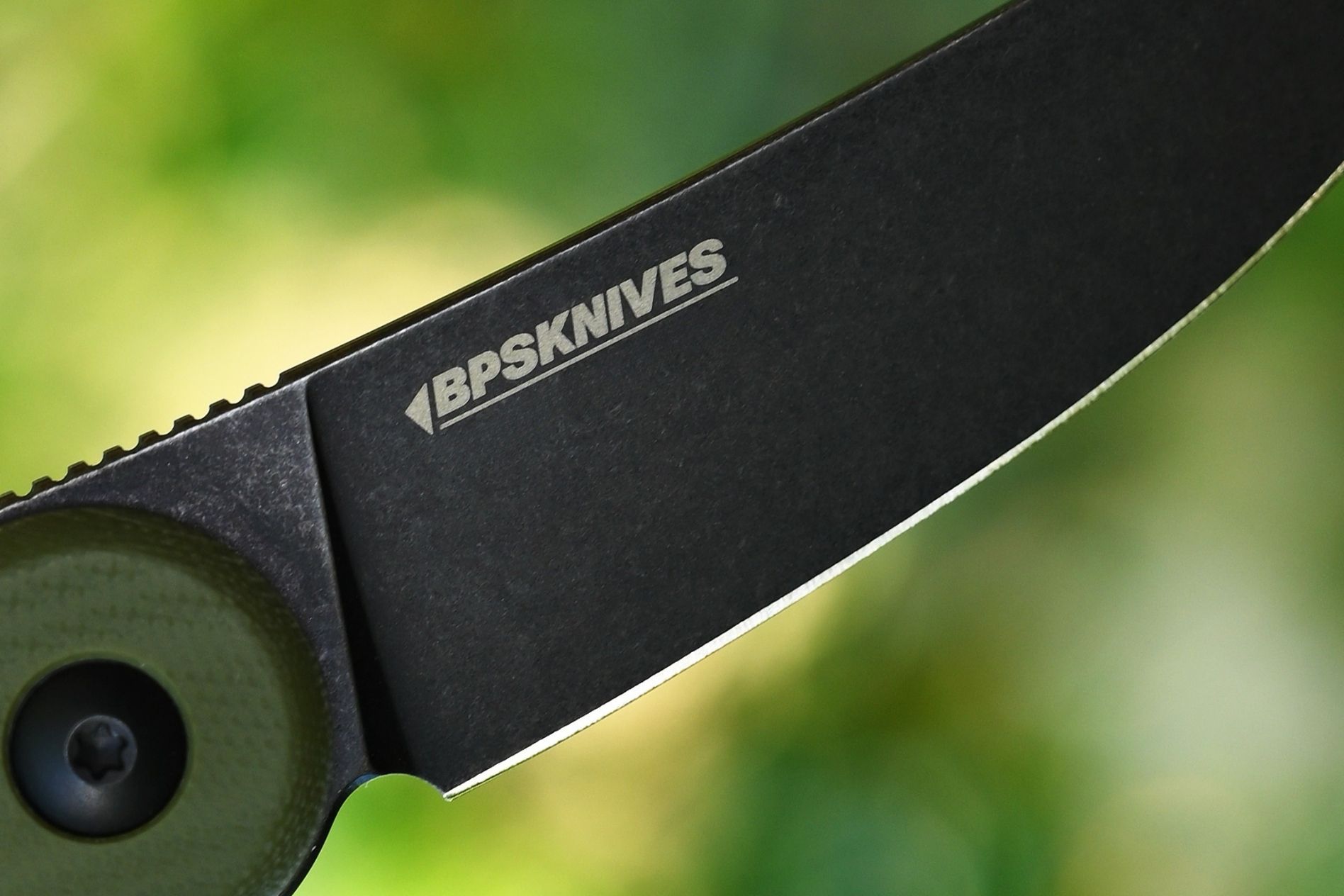
Everything has its limits — people, machines, nature, and even the toughest steel. And nothing tests those limits more than a knife that’s constantly put to work during camping trips or, even more so, one that’s a vital tool in a survivalist’s gear. So, the question naturally arises: how can you extend the life of your blade? After all, we’re not printing money over here like the U.S. Treasury.
Why blades corrode — and how a protective coating counteracts this
Enter the hero of the story: the protective blade coating. This silent guardian helps your knife withstand moisture, dirt, and that ever-popular abuse known as batoning. It’s your blade’s first line of defense against the elements.
What is corrosion and how does it affect steel
Corrosion is a natural chemical process where metal degrades due to exposure to oxygen, water, or other corrosive agents. The most familiar type is rust — a result of iron in steel reacting with moisture and oxygen to form iron oxide. Over time, corrosion weakens the steel, dulls the edge, causes pitting, and can eventually destroy the structural integrity of the blade. The process accelerates in humid, salty, or industrial environments — especially if the blade lacks protection.
Why “stainless steel” does not guarantee protection against rust
Stainless steel is often advertised as rust-proof, but that’s only partly true. Its corrosion resistance comes from chromium, which forms a thin, invisible oxide layer that blocks oxygen and moisture. However, this protective layer can wear off, scratch, or break down in harsh conditions. Not all stainless steels are equal either — lower-end grades like 420 or 5Cr15MoV rust much more easily than high-end steels like S35VN or VG-10. Even stainless steel benefits from an added protective coating, especially in tough environments.
How exactly does a protective coating knife blade work
A protective coating acts as a barrier between your blade and damaging elements like water, dirt, salt, scratches, and even oxygen. Some coatings are also chemically resistant. Modern advanced coatings may bond chemically with the metal or alter its surface properties at the molecular level, significantly boosting corrosion resistance. The best coatings are also abrasion-resistant — because if they wear off easily, they stop being protective.
Types of influences that the coating protects against
Protective blade coatings shield against a wide range of external threats:
- Moisture and Humidity: Constant exposure to water, especially in wet or humid conditions, accelerates corrosion. Coatings create a water-repellent barrier that prevents direct contact.
- Salt and Saline Environments: Salt aggressively corrodes metal surfaces. In coastal regions or marine use, salt-resistant coatings are essential.
- Acidic or Alkaline Substances: In industrial, kitchen, or survival scenarios, blades often come into contact with corrosive chemicals. Coatings offer chemical resistance to reduce damage.
- Friction and Abrasion: Regular use causes wear and scratches, which can remove unprotected finishes. High-quality coatings resist abrasion, keeping the blade shielded over time.
- Temperature Extremes: Some coatings may fail in extreme heat or become brittle in freezing temperatures. Premium coatings maintain their properties across a wide temperature range.
- UV Radiation: UV exposure can break down some synthetic coatings over time. UV-stable coatings are important for blades used in outdoor environments.
 Main types of knife coatings
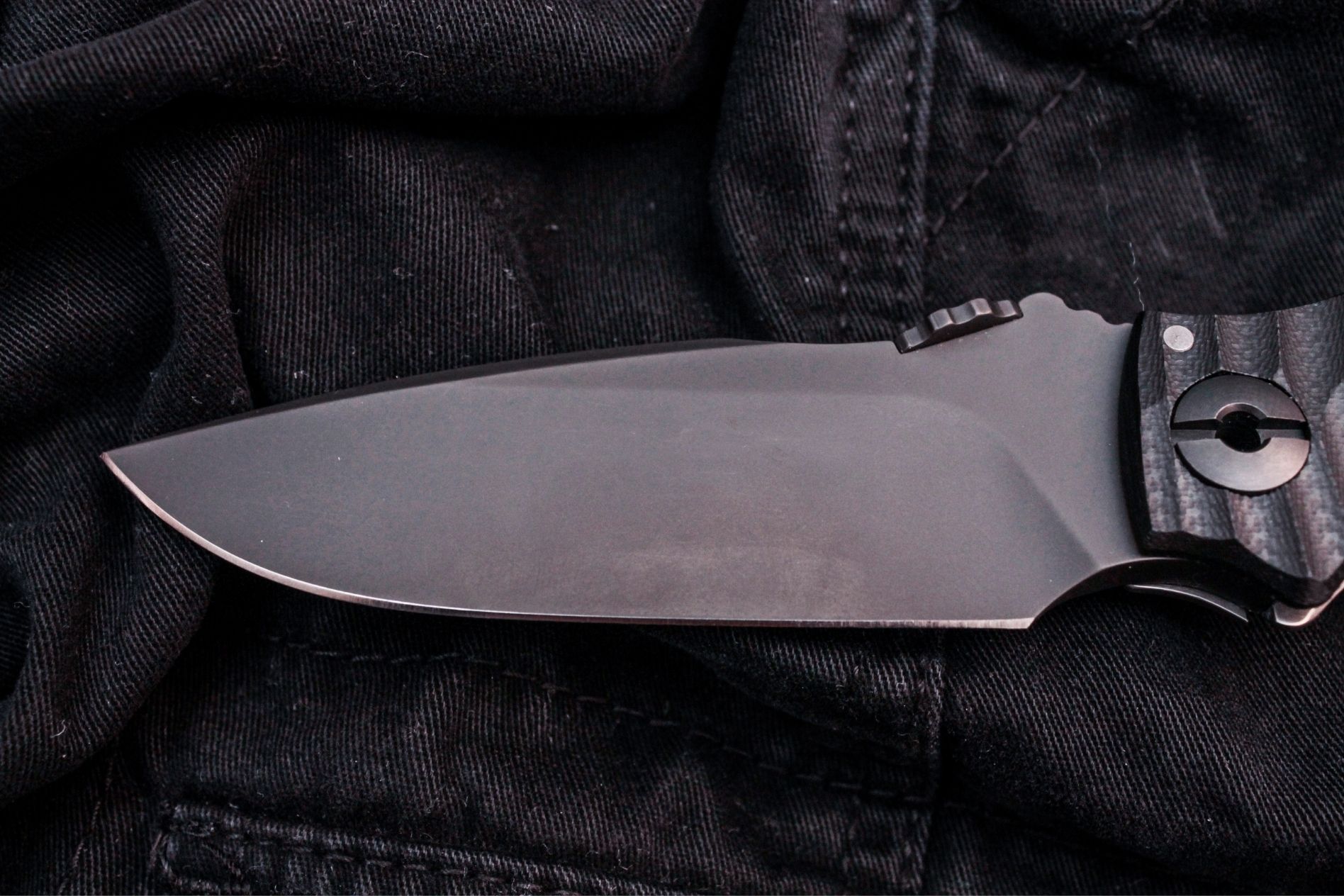
DLC (Diamond-Like Carbon)
DLC is a premium carbon-based coating known for its exceptional hardness, low friction, and corrosion resistance. It adds a slick black or dark grey appearance to the blade.
Pros: diamond coated blade has an excellent wear resistance, durable finish, non-reflective.
Best For: High-end knives, tactical or EDC blades needing long-term durability.
TiNi (Titanium Nitride)
This gold-colored coating is used for its hardness and corrosion resistance. Often seen on industrial tools and some knives.
Pros: Hard surface, titanium coated blades are visually striking, wear-resistant.
Best For: Display knives, tools where appearance and edge protection are key.
PVD (Physical Vapor Deposition)
PVD is a method of coating used to apply coatings like TiNi, DLC, or others. It vaporizes the coating material in a vacuum and deposits it on the blade.
Pros: Uniform coating, durable, customizable.
Best For: Precision or decorative blades where a controlled, high-quality finish is needed.
Stonewash + Patina (Passive Corrosion Resistance)
Stonewashing creates a textured, rugged surface, while patina develops over time (especially on carbon steel) to resist rust.
Pros: Hides scratches, unique aged look, natural rust resistance over time.
Best For: Outdoor or bushcraft knives made from high-carbon steel.
Black Oxide (Oxidation)
This is a chemical treatment that darkens the blade and offers mild corrosion resistance.
Pros: black knife blade coating has a low-glare finish, some rust resistance and it’s cost-effective.
Best For: Budget knives, military surplus, collectors.
Cerium or Powder Coating
These thick, paint-like coatings are designed for rugged use. Powder coating is more common than cerium in this context. Awesome for saw blade protective coating!
Pros: Inexpensive, protects against corrosion, available in many colors.
Cons: Can chip with heavy use.
Best For: Machetes, survival tools, heavy-duty field blades.
Titanium/Zirconium/Chromium Nitride — what is black PVD and When Is It Justified
These are advanced PVD coatings often used in industrial or high-performance applications. Truly one of the best knife making blade coatings!
- Titanium Nitride (TiN): Gold finish, high hardness.
- Zirconium Nitride (ZrN): Similar to TiN but with better chemical stability.
- Chromium Nitride (CrN): Silver-gray, excellent wear and corrosion resistance.
Pros: Very durable, corrosion- and wear-resistant, often used in aerospace or medical tools.
Best For: Specialty or professional knives where performance justifies the cost. Easily one of the best knife blade coating!
Which Is Better in the Field — Real Scenarios
Fishing
Environment: High humidity, exposure to saltwater, slimy organic materials.
Best Coatings:
- PVD-coated TiNi or CrN – Holds up well in saltwater environments.
- Ceramic-based coatings or full stainless blades – Also perform well if budget is a concern.
Avoid: Black oxide or uncoated carbon steel unless you’re maintaining it rigorously.
Why: Salt is aggressive and will corrode inferior coatings quickly. DLC and nitride coatings offer long-term protection and easy cleaning.
Tourism, Camping
Environment: Mixed — dry and wet conditions, wood processing, food prep, general utility.
Best Coatings:
- Stonewash + Patina – Great on high-carbon steel bushcraft blades if you like tools that develop character and resist corrosion naturally.
- Cerium/powder coating – Practical for machetes and camp tools; protects against sap and moisture.
Why: You want balance — corrosion protection, edge retention, and low maintenance. Patina and powder coat give solid protection at different budget levels.
Survival
Environment: Rough use, possible exposure to moisture, dirt, rough materials, and defensive tasks.
Best Coatings:
- Black Oxide – Common on tactical blades; decent corrosion resistance and low glare at a lower cost.
- PVD TiNi or ZrN – Hard coatings that endure abuse without chipping.
Why: Stealth, toughness, and resistance to the elements matter. You want coatings that can take hits, resist rust, and stay functional under pressure.
What Is Better for EDC in the City
Environment: Urban — dry climate, minimal moisture, emphasis on appearance, low maintenance.
Best Coatings:
- PVD TiNi – For a stylish, sleek look and scratch resistance.
- Stonewash – Hides wear from keys, coins, and general pocket carry.
Why: Corrosion resistance is less critical, but scratch resistance and appearance matter more. Choose something that holds up well in your pocket and looks good doing it.
Conclusion
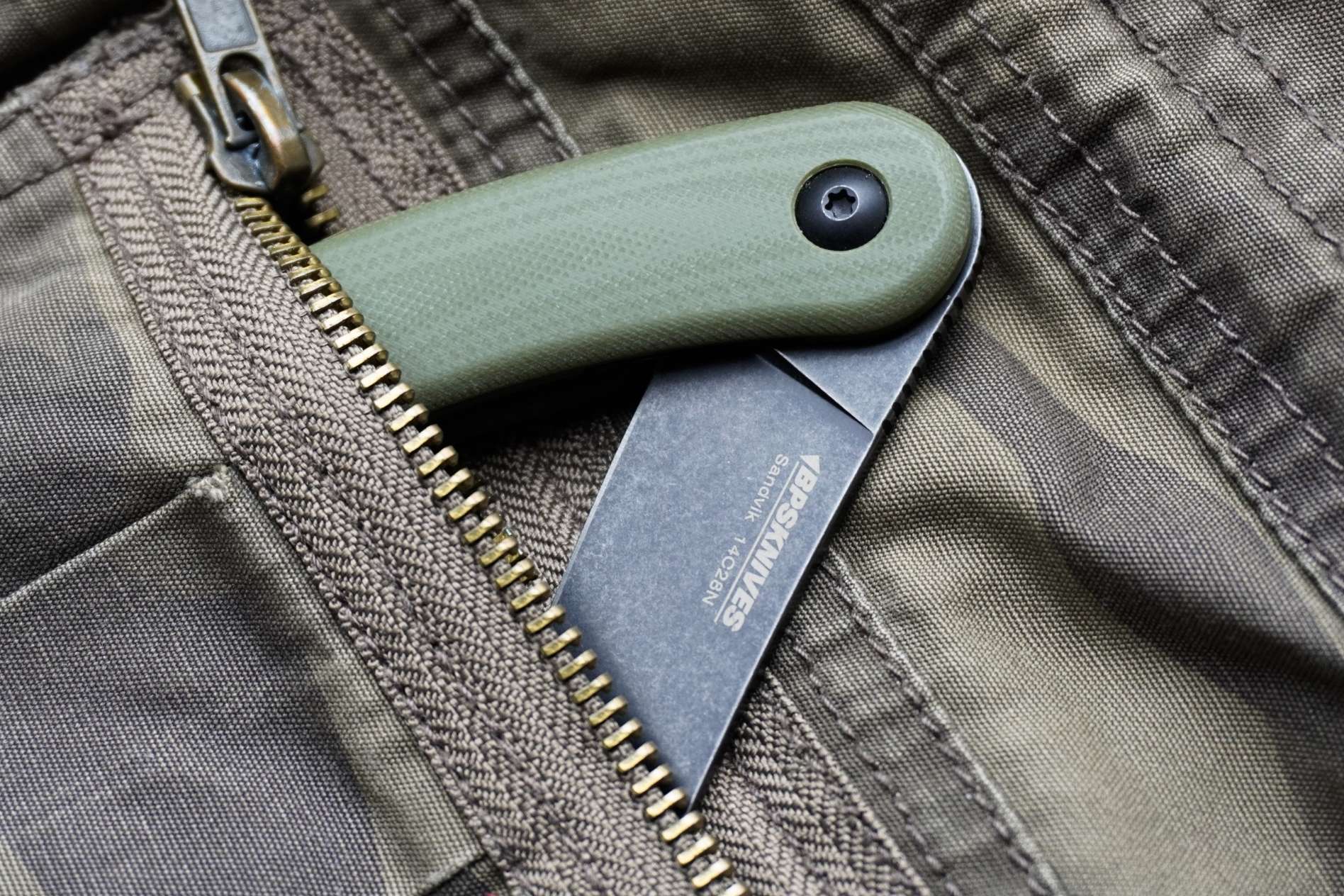
The bottom line is this — a protective coating is never a bad idea, especially if you’re into survival, camping, or other kinds of extreme outdoor fun. By the way, our online store has some awesome knives for outdoor enthusiasts, all with protective coatings — ready to conquer Mars or Everest! See you next time!