
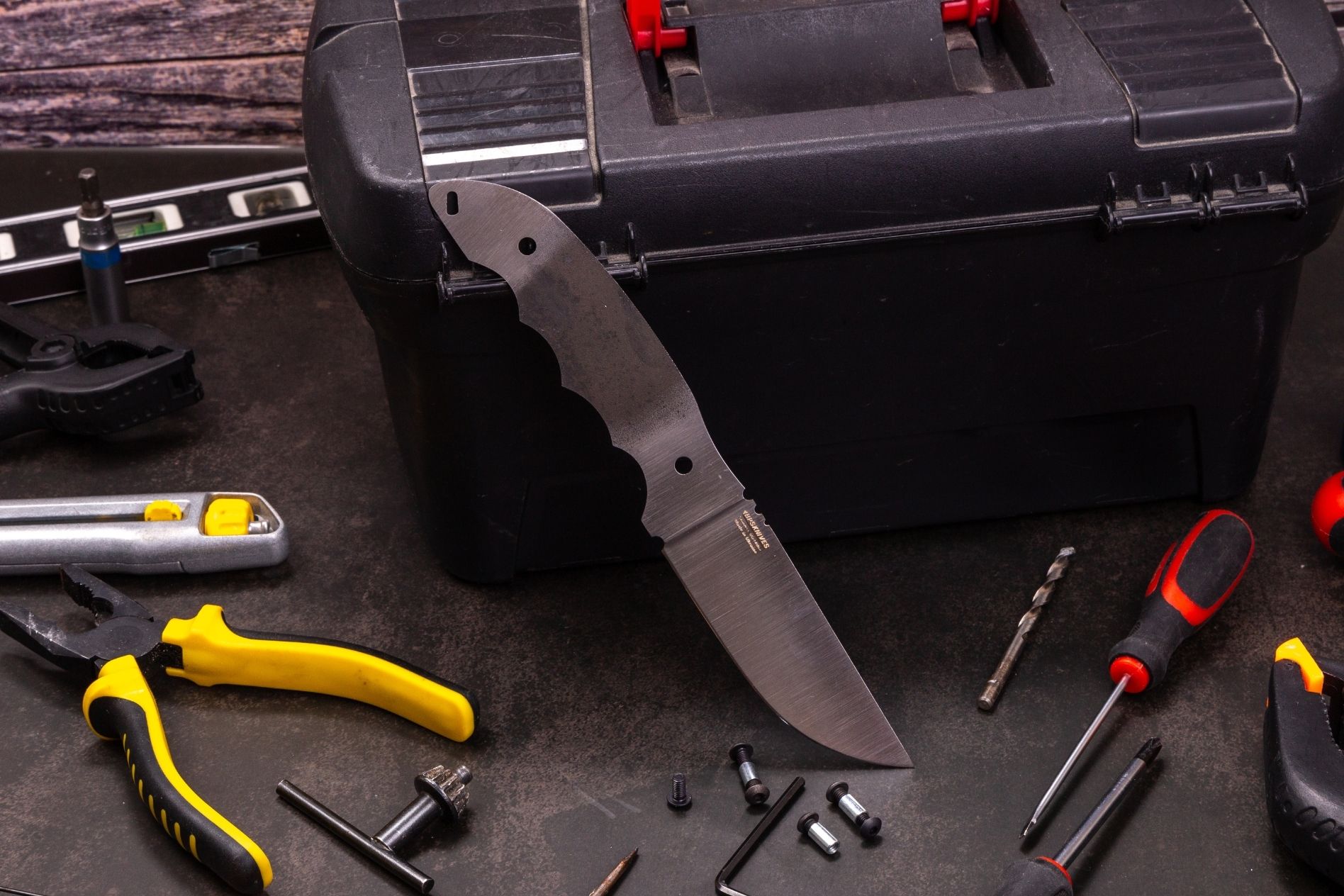
If you’re looking for a high-quality EDC, hunting, or bushcraft knife without breaking the bank — we’ve got great news! You can get an excellent knife made from Sandvik stainless 14C28N steel.
What is Sandvik 14C28N?
Is 14C28N steel good? Sure thing! If you’re wondering where is Sandvik 14C28N steel made, it is produced in Sweden and it is a high-performance stainless steel. It’s specifically designed for knife blades, offering an excellent balance of edge performance, corrosion resistance, and toughness. It’s a fine-tuned upgrade over earlier Sandvik steels like 12C27, with the addition of nitrogen to enhance certain properties.
Key Characteristics
- Steel hardness Sandvik 14C28N: Typically hardened to 58–62 HRC. Sandvik’s cutting tools and knives are renowned for their exceptional durability and precision in metalworking industries
- Edge Retention: Good wear resistance helps the blade maintain sharpness longer than basic stainless steels.
- Corrosion Resistance: Excellent resistance to rust and staining, suitable for humid or wet environments. Makes Sandvik steels knife nice choice for camping or hiking!
- 14C28N toughness: Good toughness for stainless steel—less prone to chipping or breaking under stress.
- Ease of Sharpening: While harder than many entry-level steels, it’s still easier to sharpen than super steels like S90V or M390. Sandvik knife blades are pretty decent!
- Nitrogen Alloying: The addition of nitrogen improves corrosion resistance and edge stability.
Areas of Use
- EDC (Everyday Carry) Knives: EDC with 14C28N is ideal for general-purpose folding or knives thanks to its balanced properties.
- Kitchen Knives: Maintains sharpness and resists rust in moist environments.
- Hunting and Outdoor Knives: Tough enough for field use and resists corrosion from blood and moisture. Sandvik steel bushcraft knife will do just fine with most camping work!
- Fishing and Marine Applications: High corrosion resistance makes it suitable for saltwater environments. A Sandvik fishing knife is always a nice option!
 Advantages of 14C28N in Knives
This steel comes with no shortage of advantages — take its price-to-performance ratio, for example! And that’s just one of the many benefits it offers.
Cutting Ability
In terms of cutting ability, 14C28N performs impressively. Thanks to its fine grain structure and hardness (typically between 58 and 62 HRC), it can take a very sharp edge and hold it for a long time. This makes it ideal for tasks requiring clean, precise cuts—whether in everyday use, food preparation, or outdoor applications!
Corrosion Resistance
Its corrosion resistance is another standout feature. With a chromium content of around 14%, the steel is naturally resistant to rust and staining. The addition of nitrogen further enhances its performance in humid or wet environments, making it reliable in kitchens, the outdoors, or marine settings!
Ease of Maintenance and Sharpening
When it comes to maintenance and sharpening, 14C28N is relatively easy to care for. Unlike some high-end steels that require special sharpening equipment, this steel can be resharpened with standard tools. Its resistance to rust also means you won’t need to oil the blade constantly or take extensive measures to prevent corrosion.
Price and Availability
As for price and availability, 14C28N falls into the mid-range category. It offers performance close to that of premium steels but at a more affordable price point. It’s widely used by well-known knife brands like Kershaw, Real Steel, and Ruike, which makes it easy to find a variety of knife models featuring this steel. That’s why a Sandvik multi tool is always a good idea!
Disadvantages of the Steel
But alas, even the finest things in our world aren’t without their drawbacks!
Wear Resistance
14C28N offers pretty decent wear resistance, but it does fall short compared to more premium steels like S30V, M390 or D2. In demanding tasks involving abrasive materials or extended cutting sessions, the edge may dull faster than harder, more wear-resistant steels. For users who need extreme edge retention in professional or industrial settings, this steel may fall short.
Limitations in Heavy-Duty Use
This steel handles light to medium tasks very well. However, when it comes to heavy-duty work like batoning wood, a blade made from 14C28N might not hold up as well. So, it’s not the best choice for camp or survival knives.
Sharpening Frequency
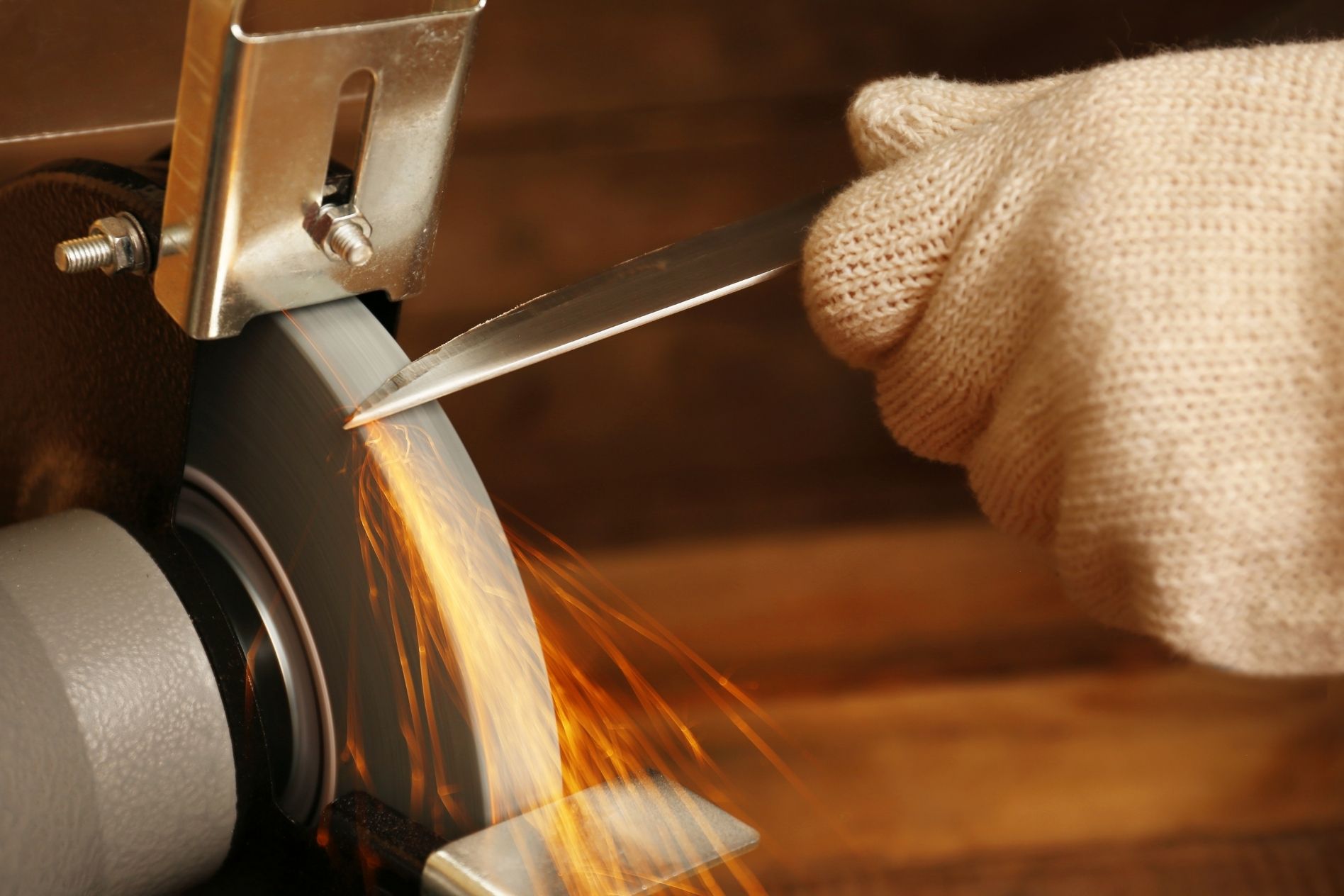
While the steel is easy to sharpen, it may need to be sharpened more often than high-end steels known for superior edge retention. In regular use, especially in tasks involving cardboard, rope, or wood, users may notice the edge becoming dull sooner than with harder or more abrasion-resistant steels. This isn’t a major issue for casual users, but those seeking long intervals between sharpening may prefer other options.
 Comparison with Other Steels
And of course, we can’t talk about this steel without comparing it to its closest competitors!
8Cr13MoV vs Sandvik 14C28N
8Cr13MoV is a Chinese stainless steel commonly used in budget knives. While both steels are corrosion-resistant and easy to sharpen, 14C28N typically offers better edge retention and toughness. It has a finer grain structure, allowing for a sharper edge and improved overall cutting performance. 8Cr13MoV is more prone to chipping and dulls faster under repeated use. In most categories—especially edge stability and durability—14C28N is considered the superior steel, though 8Cr13MoV may still appeal to users looking for the lowest cost.
12C27 vs Sandvik 14C28N
12C27 is another stainless steel from Sandvik and is considered the predecessor of 14C28N. Both are very corrosion-resistant and easy to sharpen, but 14C28N has a slight edge in performance due to its enhanced composition, particularly the addition of nitrogen. This gives it better edge retention and slightly improved toughness. While 12C27 is still an excellent steel—especially for traditional or Scandinavian-style knives—14C28N is often chosen for more modern applications that demand higher performance.
AUS-8 vs Sandvik 14C28N
AUS-8 is a Japanese stainless steel known for its balance between corrosion resistance, toughness, and ease of sharpening. It compares closely with 14C28N in terms of ease of maintenance, but falls behind slightly in edge retention and wear resistance. AUS-8 can be tougher and more forgiving under impact, but 14C28N generally offers better cutting performance and stays sharp longer. For users who prioritize cutting ability over toughness, 14C28N is often the better choice, while AUS-8 might appeal more to those looking for resilience under rough handling.
Conclusion
So, that’s the deal. It’s actually a pretty good steel, but definitely worth considering if you want an affordable yet quality knife. Just don’t baton wood with it, and you’ll be just fine! Don’t forget to check out our online store, where you can find the blade of your dreams. With that, I’ll take my leave — until next time, stay excited and safe out there!