
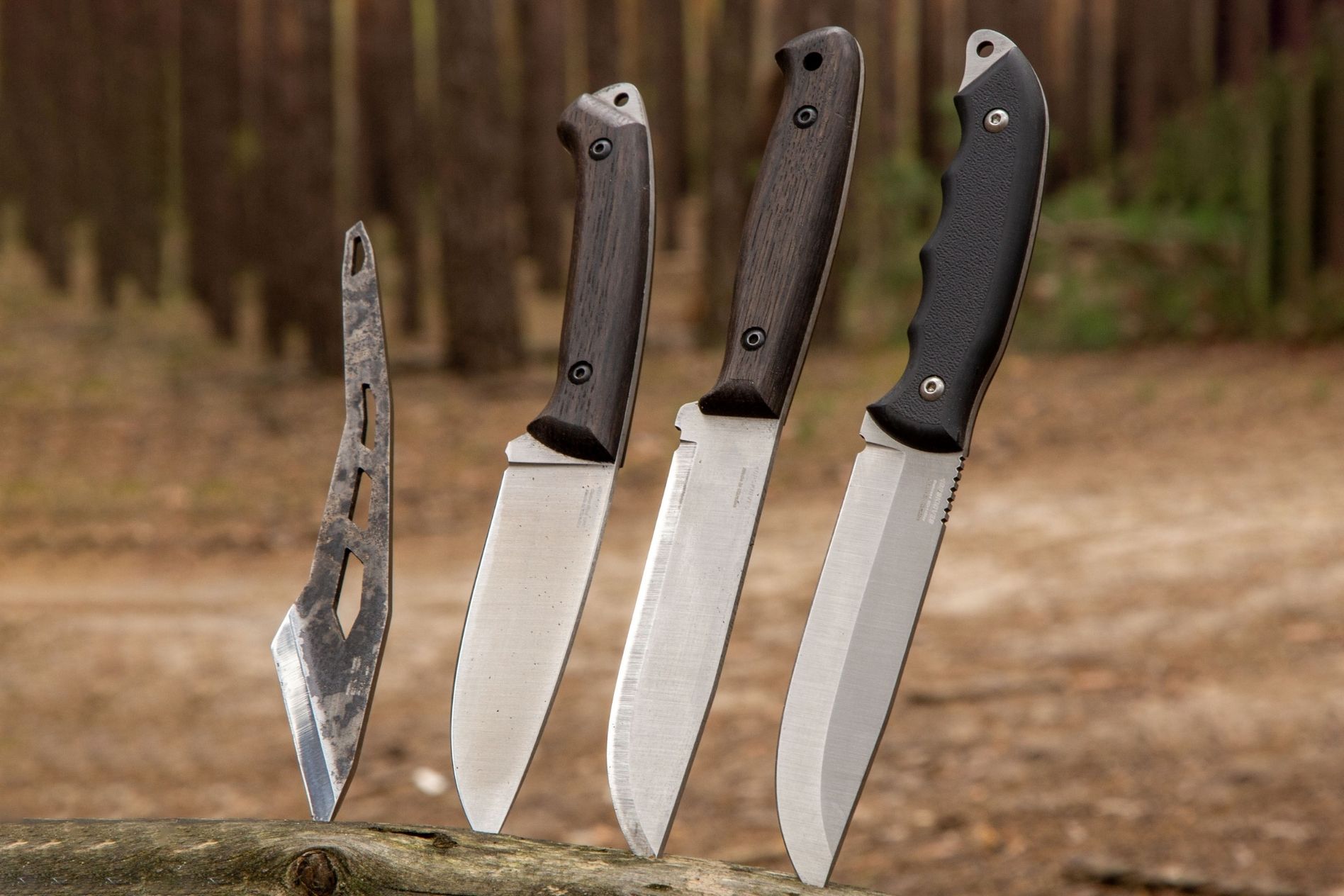
Sometimes you walk into a knife shop and your eyes just start to wander! Bowie knives, karambits, kukris, machetes, tanto knives, hunting knives, survival knives, EDC knives – there are a ton of different knives around the world to choose from! It’s enough to make your head spin. So, which one should you pick?!
The Importance of Knives in Different Areas of Life
Of course, you’d love to have them all at once, but not every wallet can handle that kind of load. So, it’s best to start by figuring out what exactly you need the knife for. Hunting, fishing, survival, camping, or maybe some technical work? Let’s break it down, because the right knife should be in every family and in every home.
Types of Knives and Their Specific Uses
So, what types are there? Let’s begin our small types of knives chart.
Kitchen Knives
Probably the most common knife on the planet, it’s the one sitting in every kitchen drawer of every person on Earth! Designed for a variety of tasks, it serves to chop, slice, dice, and mince food with precision. Kitchen knives come in different shapes and sizes, each tailored for specific purposes. For example, a chef’s knife is versatile and can be used for most tasks, while a paring knife is smaller and more suited for intricate tasks like peeling fruits or trimming vegetables.
The blade of a kitchen knife is typically made of stainless steel or high-carbon steel, offering a sharp edge and durability. Some high-end knives may feature additional layers of steel, creating a sharper edge that retains its sharpness for longer periods. The handle of the knife is also an important consideration, with options like wood, plastic, or metal offering different levels of comfort and control.
Proper maintenance of a kitchen knife is crucial. It should be kept sharp by honing or sharpening regularly, and it’s best to wash it by hand rather than in a dishwasher to preserve its quality. A good kitchen knife makes food preparation easier, safer, and more enjoyable for both professionals and home cooks alike.
And guess what? We have an amazing kitchen knife called Rosemary (details here)! Its blade is made from high-quality 5Cr14MoV stainless steel with a hardness of 56-57 HRC, while the handle is crafted from walnut wood and coated with Danish oil. What does all this mean? It means that this is an excellent culinary knife, highly resistant to corrosion and moisture, and it slices through anything from vegetables to meat with ease.
 Tactical Knives
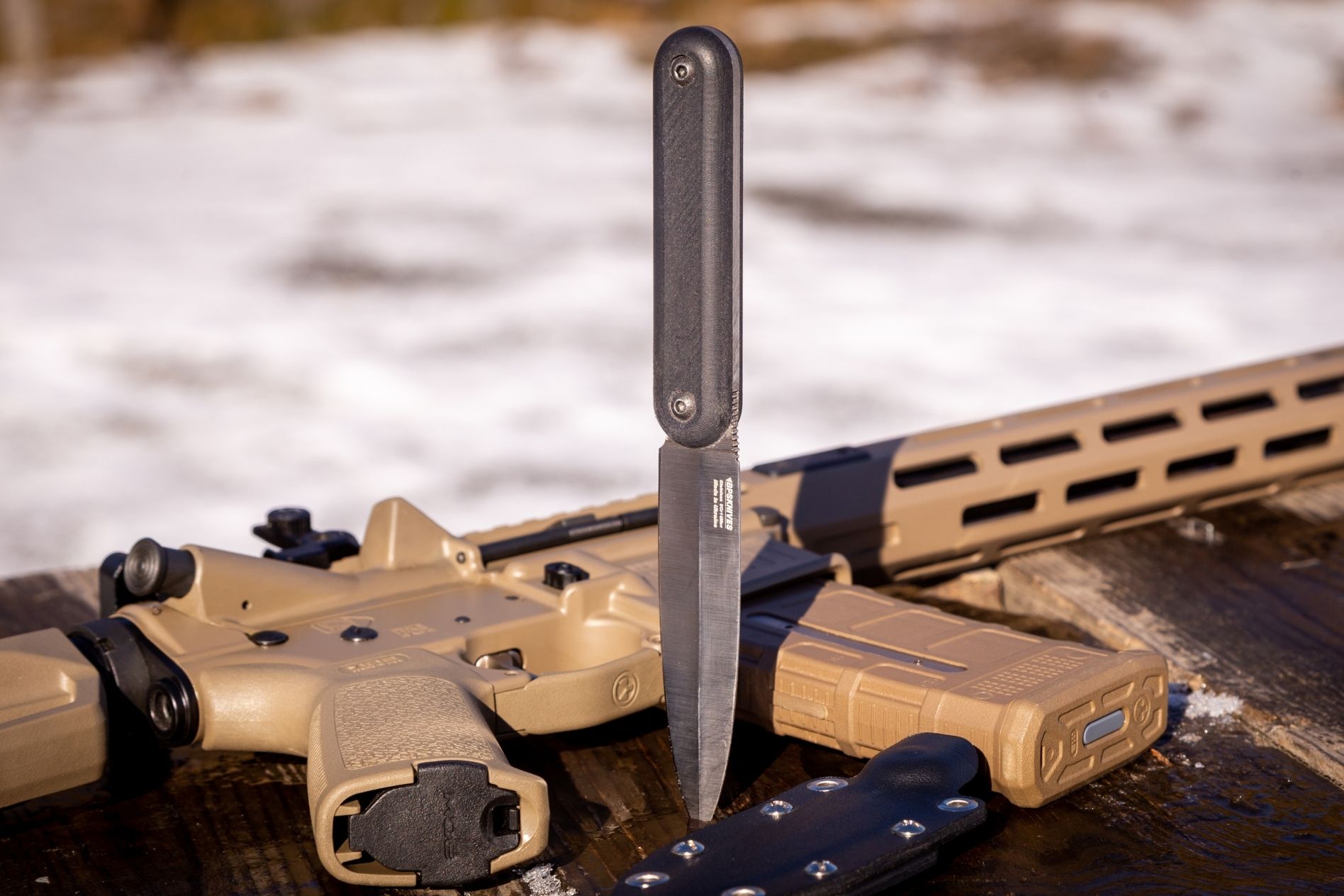
But it’s not all about the kitchen, right? Sometimes, you need to do a little bit of fighting, surviving, or even defending yourself from a bad scoundrel! That’s where the tactical knife comes into play. These knives often feature robust, durable construction and specific design elements tailored to their purpose.
Tactical knives come in various shapes and sizes, but they generally feature a strong blade with a pointed tip for piercing and a sturdy handle that ensures a secure grip. Some designs include additional features such as serrated edges for cutting through tough materials, or built-in mechanisms like glass breakers or seatbelt cutters.
And you won’t believe it, but our craftsmen have created an awesome tactical knife called Citizen (details here)! Its blade is made from 5Cr14MoV steel with a hardness of 56-58 HRC, while the handle is crafted from durable ABS plastic. This knife is designed for use in tough field conditions, offering great resistance to moisture and rust, and it can handle any task you throw at it!
 Camping Knives
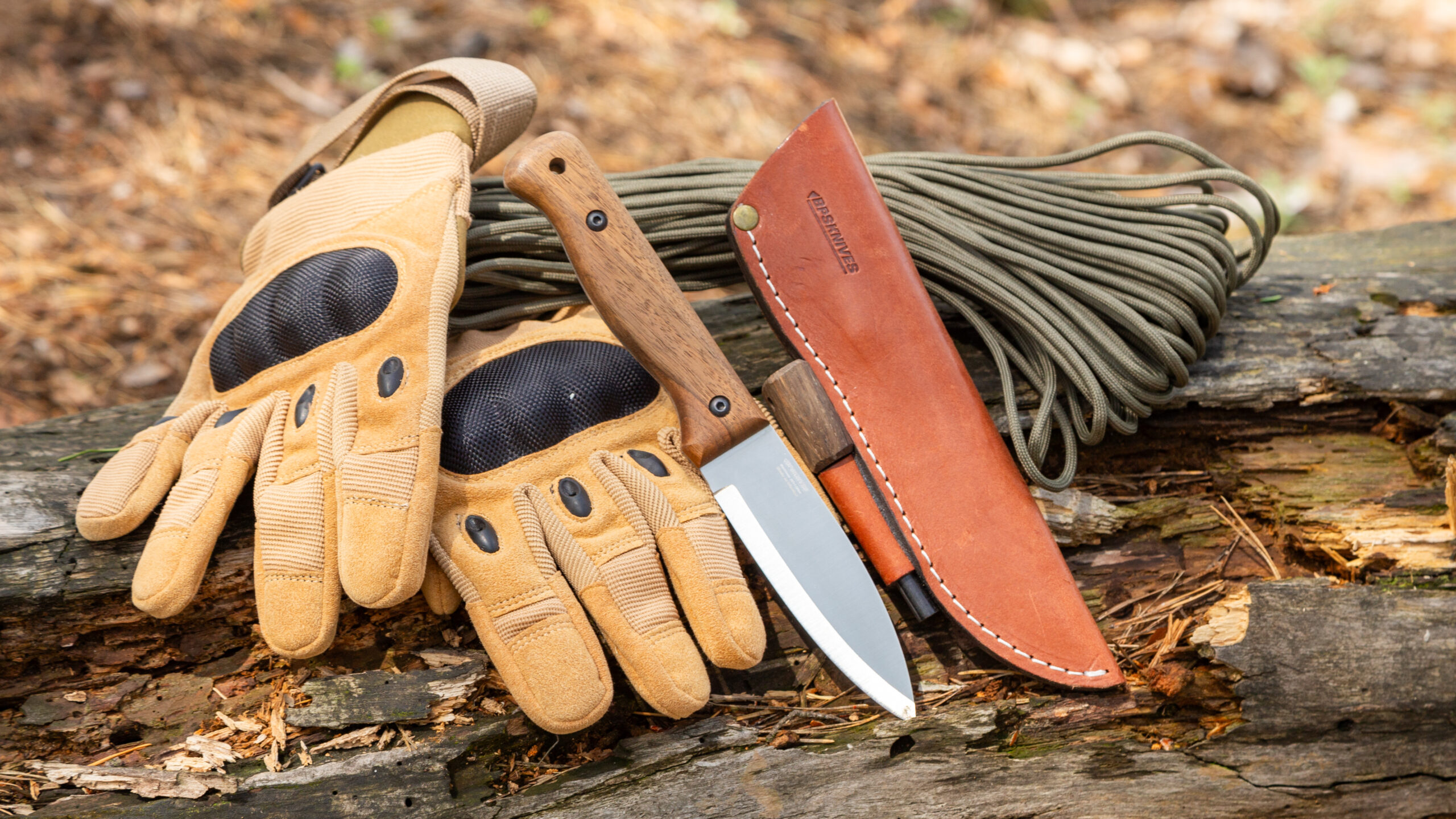
Do you love traveling through the wild—whether it’s rugged or not—with a mandatory night under the open sky in a tent? In that case, you absolutely can’t go without a good camping knives with sheath. Camping knives are versatile tools designed specifically for outdoor activities like camping, hiking, hunting, and fishing. These knives are essential for a wide range of tasks, from preparing food to building shelter and handling emergency situations. A good camping knife combines durability, functionality, and ease of use in the wilderness, there are a lot of types of camping knives.
And as you’ve probably already guessed, we have an absolutely fantastic camping knife for you, and we’ve named it “B1” (details here)! When creating this knife, we were inspired by Ray Mears’ Bushlore model. The blade is made from 65g steel, with a walnut wood handle, a hardness of 57-69 HRC, and a Scandi grind edge. You can use it to cut branches off trees, chop firewood, and of course, easily slice through food! Just wow.
Folding Knives
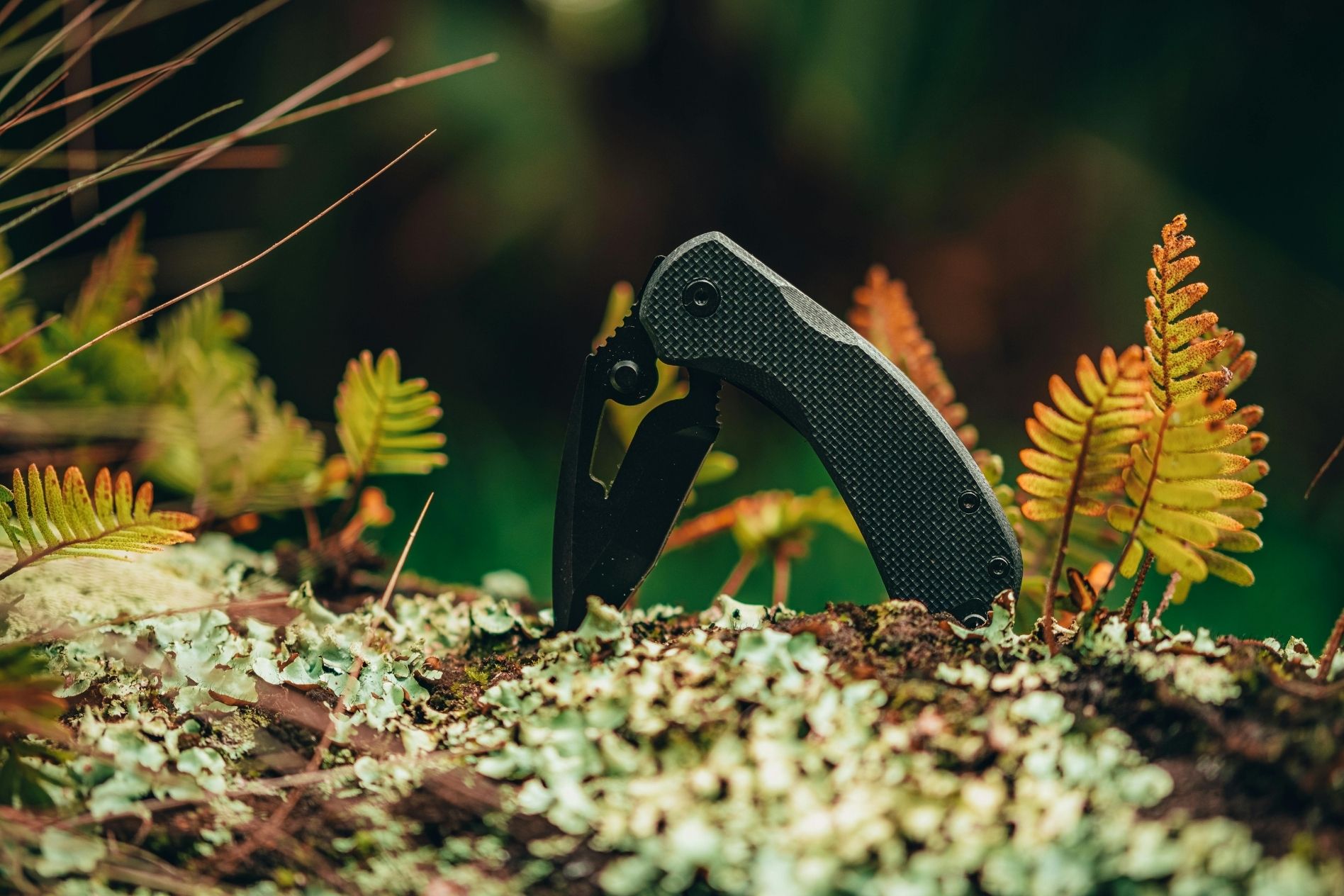
Folding knives are compact, versatile tools designed for a variety of everyday tasks. Their folding mechanism allows the blade to be safely stored inside the handle when not in use, making them easy to carry and perfect for everyday carry (EDC) as well as outdoor activities like camping, hiking, and fishing. These knives are valued for their portability, convenience, and safety.
The blade of a folding knife is usually made from high-quality steel such as stainless or carbon steel, offering a balance of sharpness, durability, and corrosion resistance. The shape of the blade can vary based on its intended purpose, with common styles being drop point, clip point, or tanto blades. The locking mechanism is a crucial part of the design, keeping the blade securely in place when in use. There are different types of locks, including liner locks, frame locks, back locks, and axis locks, each offering its own method of ensuring the blade remains open during use.
Folding knives are widely used for a range of activities beyond general utility. They’re handy for tasks like preparing food, cutting fishing lines, and building shelters while camping or hiking. In emergency situations, they can also serve as a reliable tool for self-defense or survival. With their small size and practical design, folding knives have become essential tools for anyone who needs a reliable cutting instrument that’s easy to carry.
 Carving Knives
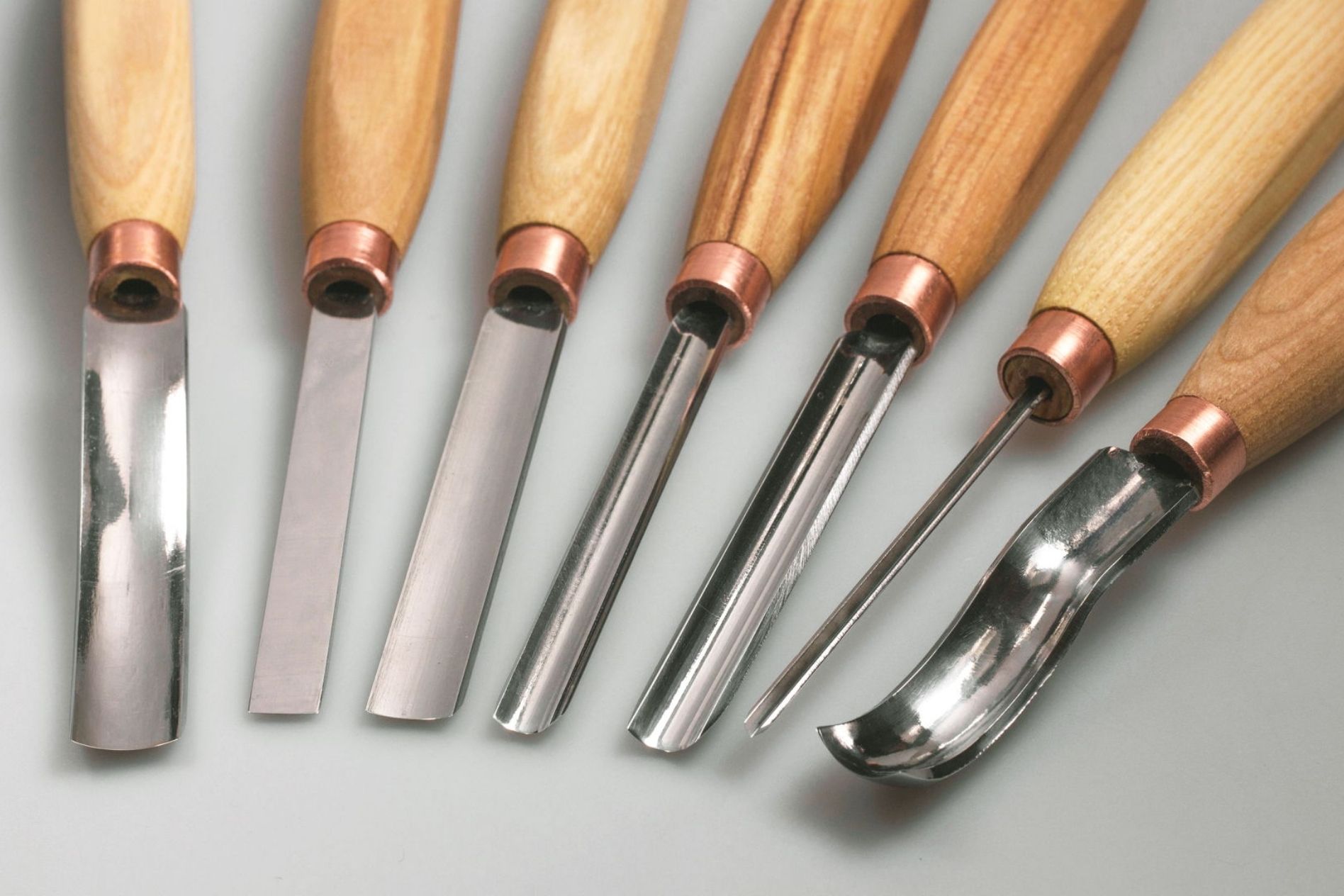
Carving knives are specialized tools designed primarily for cutting and shaping wood. These knives are highly regarded for their precision and ability to make detailed, controlled cuts, making them invaluable in woodworking and sculpture.
In the realm of woodworking, carving knives are essential for achieving intricate designs and fine details. They come in a variety of shapes and sizes to suit different carving techniques and projects:
- Whittling Knives: These typically feature a curved blade, allowing for easy shaping and removal of wood. They are ideal for creating smooth, flowing forms.
- Chip Carving Knives: With a straight edge, these knives are designed for making precise cuts and patterns in flat surfaces. They are often used to create decorative details on wooden items.
- Detail Knives: These knives have fine, pointed blades that allow for very intricate work. They are perfect for adding small details and textures to carvings.
- Sloyd Knives: Originating from Scandinavian tradition, these versatile knives are designed for general carving and are great for both rough and detailed work.
- Gouges: While not traditional knives, gouges have a curved blade that allows for hollowing out wood and creating concave shapes, adding another dimension to carving.
With the right carving knife, artisans can achieve a high level of control and finesse, allowing them to bring their creative visions to life in wood, clay, and other materials. Proper care and maintenance are essential to keep these knives sharp and effective, ensuring they perform well for both beginners and seasoned craftsmen alike.
 Hunting Knives
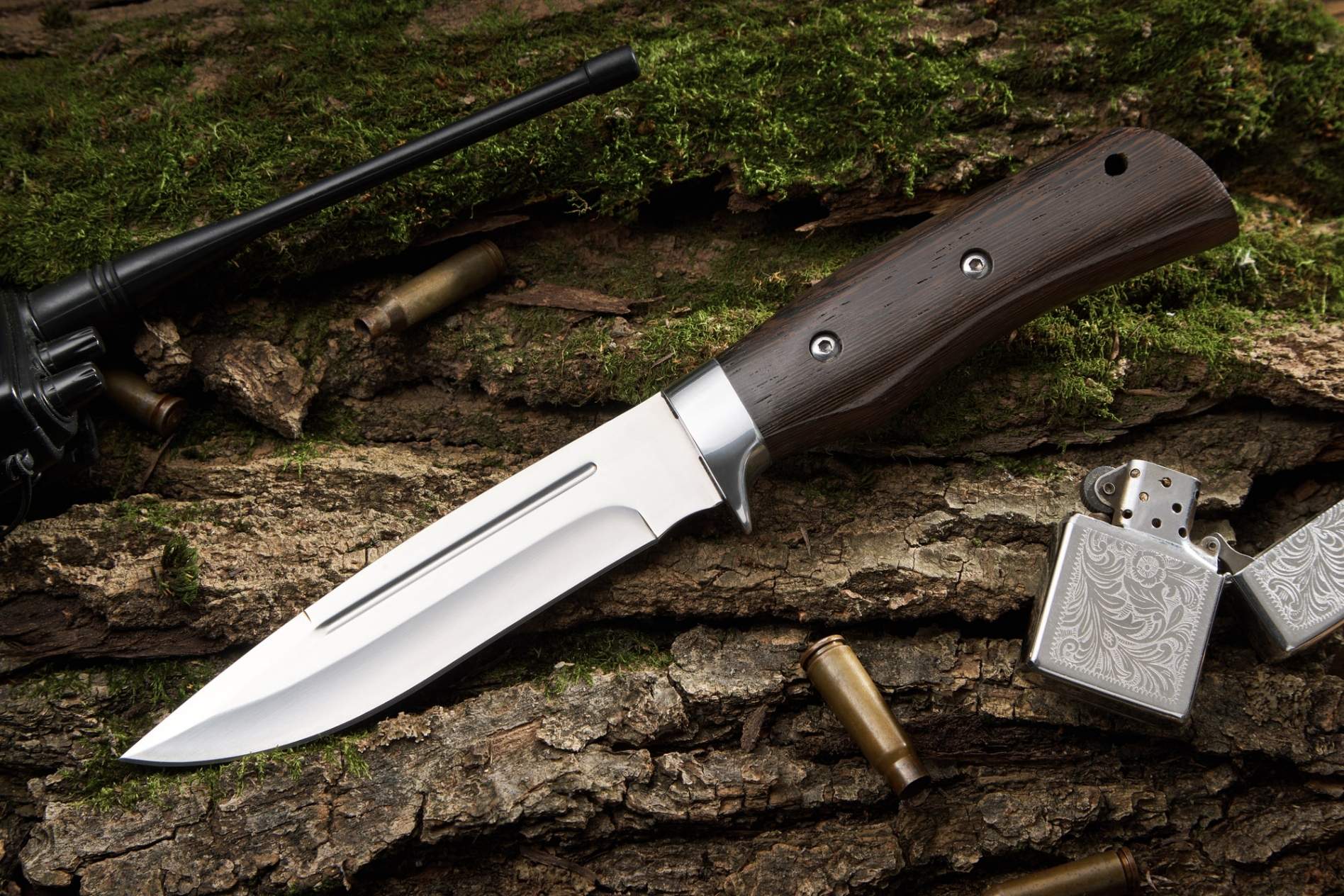
Hunting knives are specialized tools designed for various tasks related to hunting and field dressing game. These knives are built to withstand tough conditions and provide hunters with the reliability and precision they need to efficiently process animals. Hunting knives are often used for skinning, cleaning, field dressing, and cutting through tough materials like hides, bones, and muscles. They are valued for their sharpness, durability, and versatility in outdoor environments.
The blade of a hunting knife is typically made from high-quality steel, such as stainless or carbon steel, which ensures strength, sharpness, and resistance to rust, even in harsh conditions. Stainless steel blades are popular for their ability to resist corrosion, while carbon steel blades tend to hold a sharper edge but require more care to prevent rust. Hunting knife blades vary in shape, with the most common types being drop point, clip point, and skinning blades. Each blade shape serves a specific purpose, such as skinning animals, cutting through bone, or making precise incisions during the field dressing process.
The drop point blade is often favored by hunters for its versatility and strength. It has a rounded tip that makes it excellent for skinning, slicing, and general-purpose cutting. The clip point blade, with its sharp, clipped-off tip, is useful for precision tasks such as piercing and making detailed cuts. Skinning blades, as the name suggests, are designed specifically for the task of removing animal hides, and they usually have a curved shape that allows for easy movement along the skin.
The handle of a hunting knife is designed for comfort and a secure grip, as hunting knives are often used in rugged, outdoor environments. Materials like rubber, wood, or synthetic composites are commonly used for the handle, offering durability and a non-slip surface, even in wet or cold conditions. An ergonomic handle ensures a comfortable and controlled grip, which is especially important when handling large game or when performing repetitive cutting tasks.
Hunting knives can come in both fixed and folding blade models. Fixed-blade hunting knives are typically preferred for heavy-duty tasks, as the blade is stronger and less likely to malfunction under stress. They are often more durable and can handle tasks like cutting through bone or tough animal tissue. Folding hunting knives, while more compact and easier to carry, are suitable for lighter tasks such as cutting rope, opening packages, or cleaning smaller game.
A well-designed hunting knife is not just a tool but a reliable companion for hunters, allowing them to perform a variety of tasks efficiently and safely. Whether used for skinning, gutting, or cutting, hunting knives are a crucial part of a hunter’s gear, built to handle the demanding conditions of the field and ensure that the hunter can process their game quickly and cleanly.
In addition to their primary use in hunting, these knives are also valuable for outdoor survival situations. A sharp, reliable hunting knife can assist with tasks like building shelter, preparing food, and self-defense in the wild. Given their robust design and sharp edge, hunting knives are often regarded as a must-have tool for anyone spending time in the great outdoors.
 Survival Knives
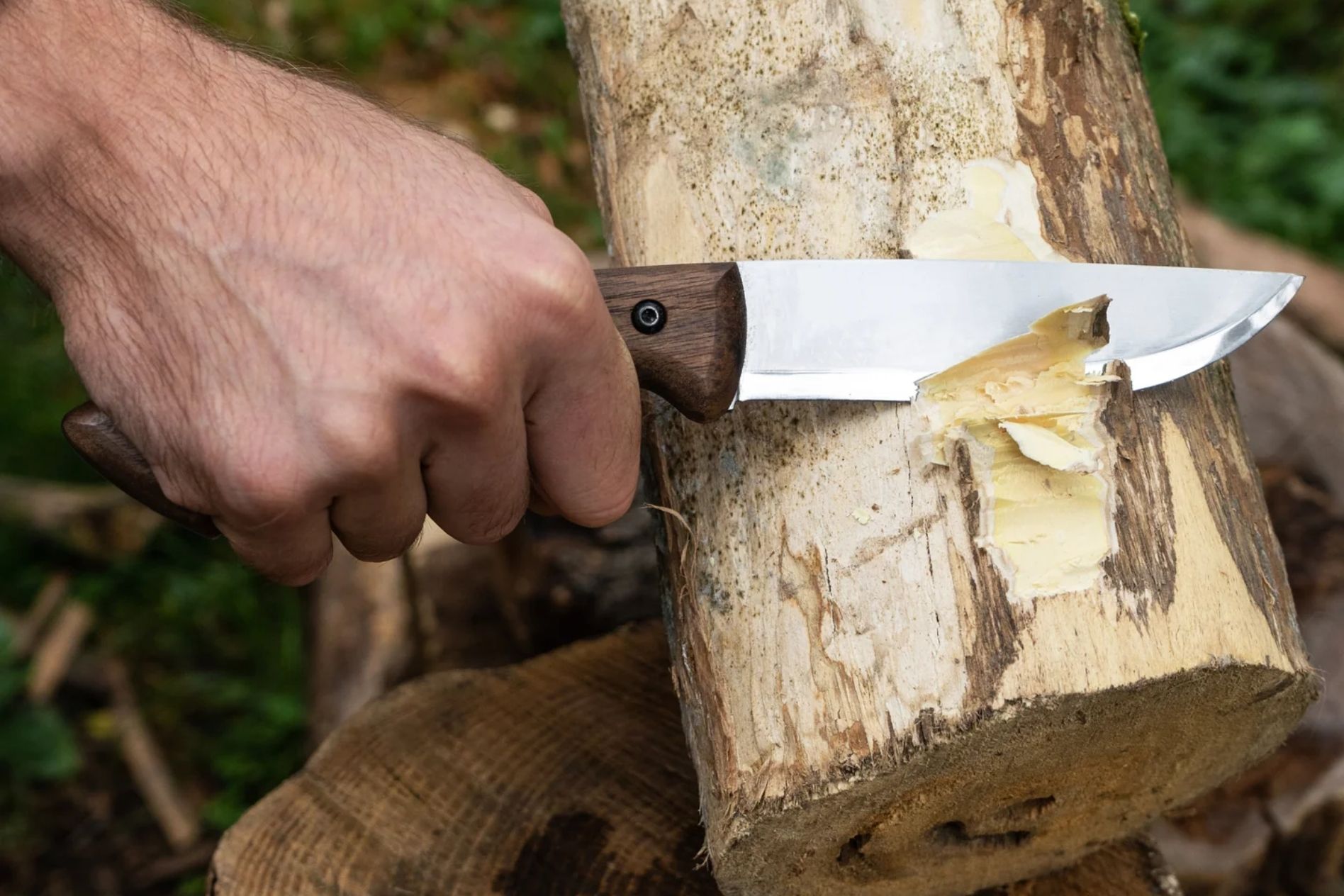
Survival knives are essential tools designed for use in emergency situations and outdoor survival. These knives are built to be versatile, durable, and highly functional, capable of performing a wide range of tasks to help a person survive in the wilderness or during a crisis. Whether for building shelter, preparing food, starting a fire, or self-defense, a survival knife is considered one of the most important tools to have in a survival kit.
The blade of a survival knife is typically made from high-quality steel, such as stainless steel or carbon steel, both known for their strength and ability to maintain a sharp edge under tough conditions. Stainless steel is often chosen for its corrosion resistance, making it ideal for use in wet or humid environments, while carbon steel holds a sharper edge but may require extra maintenance to prevent rust. The blade is usually larger and thicker than most everyday knives, providing the durability needed for tasks like chopping wood or cutting through tough materials.
The shape of the blade plays an important role in the knife’s performance. A common blade style for survival knives is the drop point, which has a strong, rounded tip that makes it great for general utility tasks like skinning, carving, and chopping. Some survival knives may also have a partially serrated edge, which can be used for cutting through ropes, fabric, or other tough materials. Additionally, many survival knives feature a flat spine that can be used to strike a firestarter or to hammer, adding even more versatility to the tool.
 Conclusion
That’s the way it is! A well-chosen knife will serve you and your family for many years to come. Visit our online store, and we’ll help you pick out your future family heirloom, one that will help you conquer everything in your path and maybe even get you out of a tight spot. Also, we have a lot of awesome camping knives for sale. Until our next exciting meeting!