
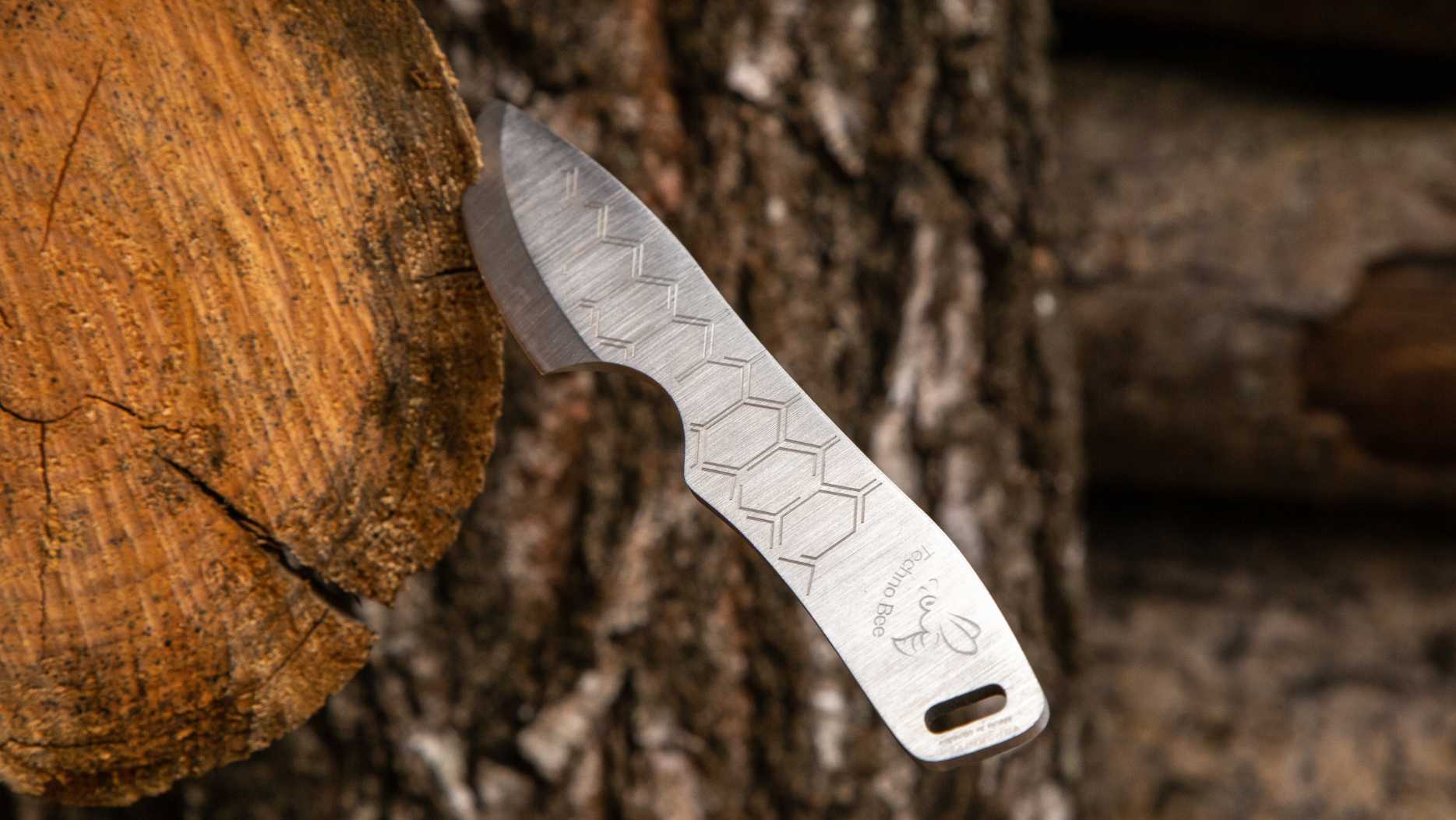
Many will tell you that a knife should definitely be made of high carbon steel! After all, its edge will be sharp as a razor and its blade will be strong as rock.
Overview of 5Cr14MoV stainless steel, its popularity in knife-making, and its balance between corrosion resistance, durability, and affordability
But alas, such a blade does not roll with the punches at all when it encounters moisture, dirt and other joys of camping life! Without careful maintenance (cleaning, lubrication, drying) it will quickly rust and become scrap metal.
Therefore, if you need a knife for hiking, camping or surviving – you need a knife made of stainless steel. And one of the best choices is 5Cr14MoV steel! Let’s talk about it.
What is 5Cr14MoV Stainless Steel?
5Cr14MoV is a type of martensitic stainless steel that is popular for a variety of applications, particularly in the production of knives, tools, and other cutting implements. While it is not as well-known as some higher-end steels, it offers a good balance of performance and affordability. So, let’s start 5cr14mov review:
Chemical Composition
- Carbon (C): 0.14–0.16%
- Chromium (Cr): 13.0–15.0%
- Molybdenum (Mo): 0.30–0.50%
- Vanadium (V): 0.10–0.20%
- Manganese (Mn): 0.60–0.80%
- Silicon (Si): 0.40–0.50%
This composition gives 5Cr14MoV its corrosion resistance (due to chromium), hardness, and edge retention (from carbon), while molybdenum and vanadium help to improve its toughness and overall performance. This composition is perfect for the best stainless steel knife set as well as for the surviving knife.

Manufacturing Process
Producing such a high-tech alloy is no easy feat! The first step in the production of 5Cr14MoV stainless steel is selecting the raw materials and alloying elements. The primary components used are:
- Iron (Fe): The base metal.
- Chromium (Cr): Provides corrosion resistance.
- Carbon (C): Enhances hardness and edge retention.
- Molybdenum (Mo): Improves toughness and corrosion resistance.
- Vanadium (V): Contributes to hardness and wear resistance.
- Manganese (Mn): Improves toughness and helps with deoxidizing the steel.
- Silicon (Si): Enhances the steel’s strength and deoxidizing properties.
After selecting the raw materials, they are melted in a furnace. The two primary methods for melting steel are:
1. Electric Arc Furnace (EAF)
In the EAF, scrap metal (usually stainless steel scrap or recycled materials) is melted using electric arcs. High temperatures, typically around 1,600°C to 1,700°C (2,912°F to 3,092°F), are applied to the charge (a mixture of iron and alloying elements).
2. Induction Furnace
An induction furnace is used for smaller batches or when precise temperature control is necessary. A high-frequency current generates a magnetic field, causing the materials to heat up and melt. Once the molten metal reaches the desired temperature, the alloying elements are added to achieve the correct chemical composition, including chromium, molybdenum, vanadium, manganese, and silicon.
Refining Process
During refining, impurities such as sulfur and phosphorus are removed by oxidation and other chemical reactions. This step is crucial for ensuring the steel’s final quality and ensuring it meets the required standards for properties like corrosion resistance.
3. Casting and Ingot Formation
The molten steel is then cast into a mold, which can be either:
- Continuous Casting: This involves pouring the molten steel into a continuous mold, which solidifies into a long billet, slab, or bloom.
- Ingot Casting: Molten steel is poured into large molds to form ingots, which are then reheated and processed further.
For 5Cr14MoV, continuous casting is commonly used to produce billets or slabs, which will then be further processed into the final products.
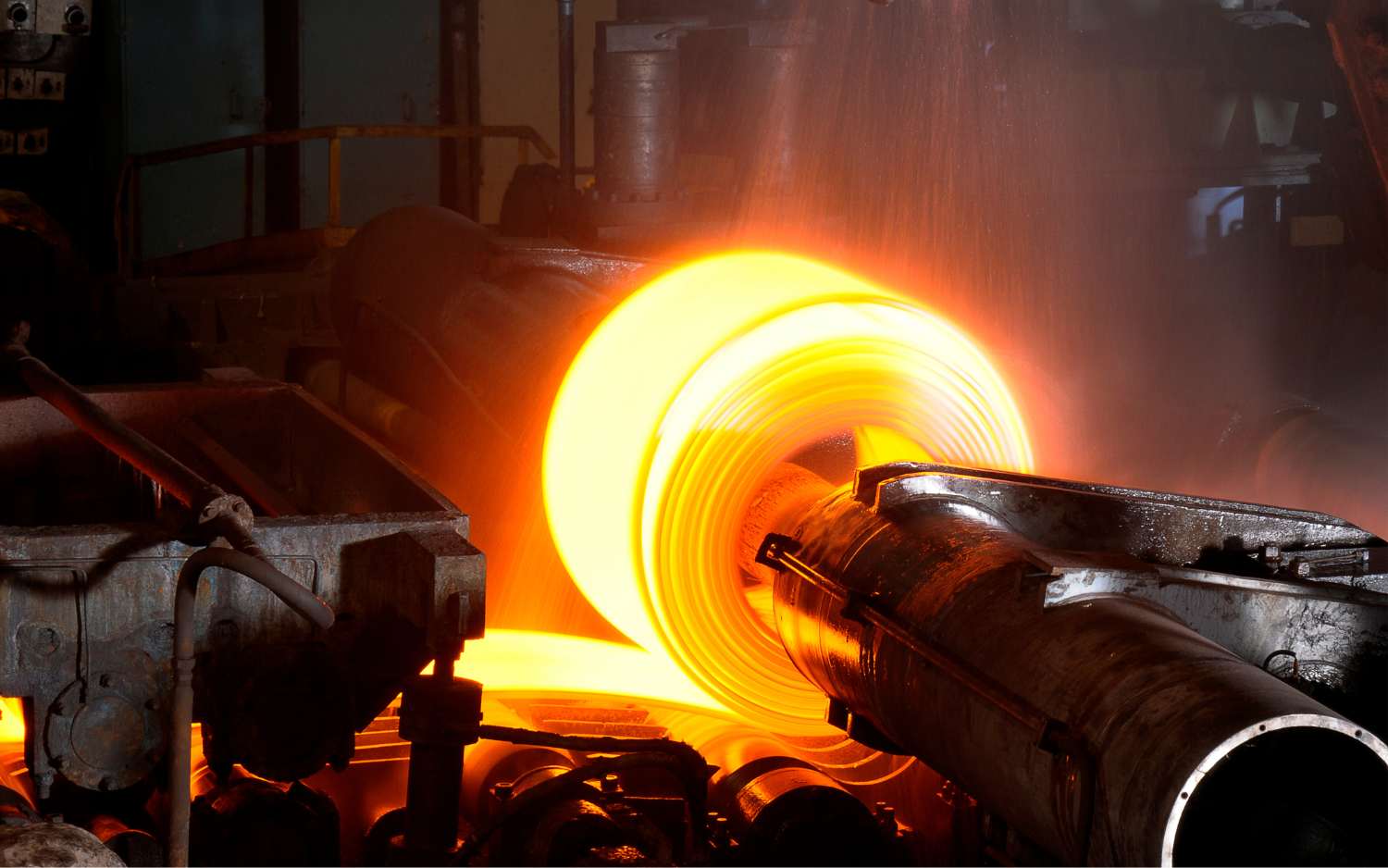
4. Hot Working (Forging and Rolling)
After casting, the steel needs to be processed to form the desired shape, such as bars, sheets, or billets, depending on the intended use. This is done through hot working methods like forging and rolling:
Forging
In forging, the ingot or billet is heated to a temperature of around 1,100°C to 1,200°C (2,012°F to 2,192°F) and then hammered or pressed to shape it into the desired form. This is a common process for producing high-performance tools or knife blades.
Rolling
Rolling is the process where the steel is passed through a series of rollers to reduce thickness and shape it into slabs, plates, or bars. For 5Cr14MoV, rolling is often done to produce flat stock or bar stock used in knives, tools, or blades.
5. Annealing (Stress Relief)
After the hot working process, the steel is often annealed, a heat treatment that involves heating the steel to a specific temperature (usually between 700°C and 800°C / 1,292°F to 1,472°F) and then slowly cooling it. This process helps to relieve internal stresses, improve ductility, and ensure a more uniform microstructure.
In this stage, 5Cr14MoV steel’s carbon content and alloying elements can diffuse more evenly throughout the metal, improving its overall structure.
6. Quenching and Tempering (Heat Treatment)
To achieve the desired hardness and toughness, quenching and tempering are necessary heat treatments for 5Cr14MoV stainless steel.
Quenching
Quenching involves rapidly cooling the steel (usually in oil, water, or air) after heating it to a high temperature (around 1,000°C to 1,050°C / 1,832°F to 1,922°F). This rapid cooling locks the steel into a hard martensitic phase.
- Martensitic Steel: This phase is hard and strong but brittle. 5Cr14MoV’s martensitic structure is crucial for its edge retention and durability.
Tempering
After quenching, the steel is tempered by reheating it to a lower temperature (typically 150°C to 200°C / 302°F to 392°F) and then cooling it. This process reduces brittleness while maintaining a good balance of hardness and toughness. Tempering helps to improve the toughness of the steel, which is important for preventing cracking or chipping under stress, particularly for tools and knives.
7. Final Machining and Polishing
Once the steel has been quenched, tempered, and heat-treated, it is ready for final machining. Depending on the final product, this could include:
- Grinding: To shape the steel into precise dimensions.
- Polishing: To give the surface a smooth, shiny finish.
- Cutting and Sharpening: For blades and cutting tools, the steel may be sharpened to a fine edge at this stage.
For example, in knife manufacturing, the blade is often ground, sharpened, and polished to create a sharp edge and an attractive finish.
8. Coating (Optional)
In some cases, especially for blades or tools that need additional protection against corrosion or wear, 5Cr14MoV steel may be coated with a layer of protective coating (such as titanium nitride or ceramic) after the final machining process. This step is not always required but can improve the steel’s durability and corrosion resistance.
9. Inspection and Quality Control
Finally, the manufactured steel undergoes rigorous quality control checks to ensure it meets the required specifications. These may include:
- Hardness Testing: To ensure the steel has the correct hardness, typically measured using the Rockwell or Vickers scale.
- Tensile Testing: To measure the strength and elongation of the steel.
- Microstructure Analysis: To examine the internal structure of the steel under a microscope, ensuring proper grain size and phase distribution.
- Corrosion Resistance Testing: To ensure the steel meets the expected level of corrosion resistance.
Key Characteristics
Stainless steel knife blades can boast of:
Corrosion Resistance. Due to its 13% to 14% chromium content, 5Cr14MoV offers solid corrosion resistance, though not as high as premium steels like 440C or S30V. It resists rust and staining in most environments, making it suitable for everyday use.
Toughness. This steel is known for good toughness, meaning it resists chipping and breaking under stress. It is not as brittle as some higher-carbon or higher-hardness steels, making it a good choice for tools that need to withstand impact or rough use.
Edge Retention. 5Cr14MoV offers decent edge retention. It holds an edge well enough for a variety of tasks, but it’s not as durable in this regard as high-end steels (like VG-10 or CPM-S35VN). It does perform better than many standard budget steels.
Workability. This steel is relatively easy to machine and sharpen, especially when compared to harder steels like those in the high-end stainless category. It is also suitable for heat treatment, which can improve its performance and durability.
Pros and Cons of 5Cr14MoV Stainless Steel
So, stainless steel knife pros and cons is:
Pros
- Good Corrosion Resistance: Being a stainless steel, 5Cr14MoV has decent resistance to rust and corrosion, especially in environments with moderate exposure to moisture or chemicals. It’s not as resistant as higher-end stainless steels like 440C or VG-10, but it does perform well in everyday conditions.
- Affordable: 5Cr14MoV is considered a budget-friendly steel, making it an attractive option for those seeking quality without breaking the bank. It offers reasonable performance at a more affordable price compared to premium steels.
- Decent Edge Retention: While not as high-performing as premium steels, 5Cr14MoV still maintains a decent edge under normal use. It holds up fairly well in cutting tasks and can be sharpened relatively easily.
- Good Toughness: This steel has a balance of hardness and toughness, meaning it can withstand impacts or rough use better than some other steels, which may be more prone to chipping.
- Ease of Sharpening: The steel is relatively soft compared to high-carbon steels, which makes it easier to sharpen using basic tools, making it a good choice for those who don’t want to invest too much time in sharpening.
- Fairly Easy to Maintain: Thanks to its stainless nature, 5Cr14MoV doesn’t require much maintenance to prevent rust, and routine cleaning and oiling are sufficient to keep it in good working order.
Cons
- Lower Edge Retention Compared to Premium Steels: While it holds an edge well enough for most everyday tasks, 5Cr14MoV does not have the edge retention of high-end steels like S30V, CPM-3V, or even VG-10. You may need to sharpen it more frequently if you’re using it for tougher tasks.
- Moderate Wear Resistance: The steel has lower wear resistance than higher-grade steels, meaning it may dull more quickly if used on abrasive materials or in tasks that require constant cutting.
- Lower Hardness: With a Rockwell hardness around 54-58 HRC, 5Cr14MoV is softer than many higher-end knife steels. This softness results in better toughness but sacrifices some of the cutting performance and edge retention.
- Susceptible to Staining: Though stainless, 5Cr14MoV is not immune to staining or discoloration when exposed to harsh chemicals, high acidity, or saltwater over time. It requires regular care to keep its appearance and corrosion resistance intact.
- Does Not Have Premium Performance for High-Use Applications: If you need a steel for heavy-duty tasks (e.g., high-impact work or intensive cutting), 5Cr14MoV may fall short compared to harder, more wear-resistant steels like D2 or CPM steels.
- Potential for Soft Spots in Cheap Manufacturing: Because 5Cr14MoV is often used in budget-friendly knives, the quality of the heat treatment and overall manufacturing can vary. A poorly heat-treated knife made from this steel may not perform as expected, which can be a problem if you’re buying from less reputable manufacturers.
Best Stainless Steel Knives for Outdoor Adventures by BPS Knives
Obviously, one of the best uses of this steel is for camping, tactical, hunting and EDC knives. And, what a wonderful coincidence, our craftsmen have made great stainless steel knife blades from 5Cr14MoV steel!
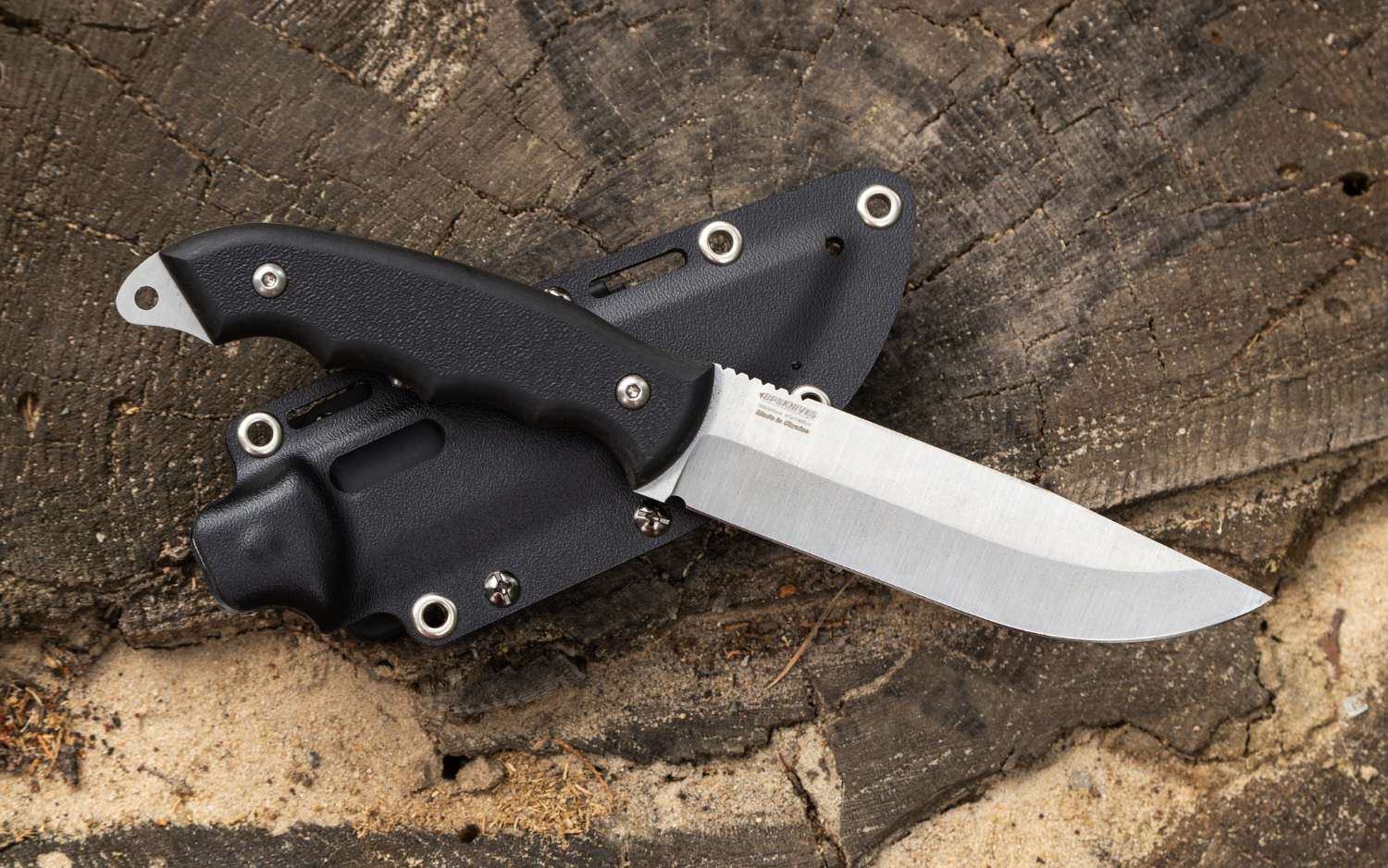
Raven SSH
The raven is the smartest bird on Earth. It has the intelligence level of a primate, can make tools and is a very adaptive creature that can solve a lot of not the easiest tasks.
That’s why we named our creation Raven SSH! This blade is made of 5Cr14MoV steel, is full-tang, hardness – 56-58 HRC. The handle and sheath are made of comfortable and modern ABS plastic. This knife can handle any challenge you throw at it! Batoning, chopping wood and sticks, cooking and much, much more. With that said, the blade has excellent rust resistance and tolerates moisture very well. Take it with you hunting, fishing, camping or hiking and you won’t miss out!
Techno Bee SSH
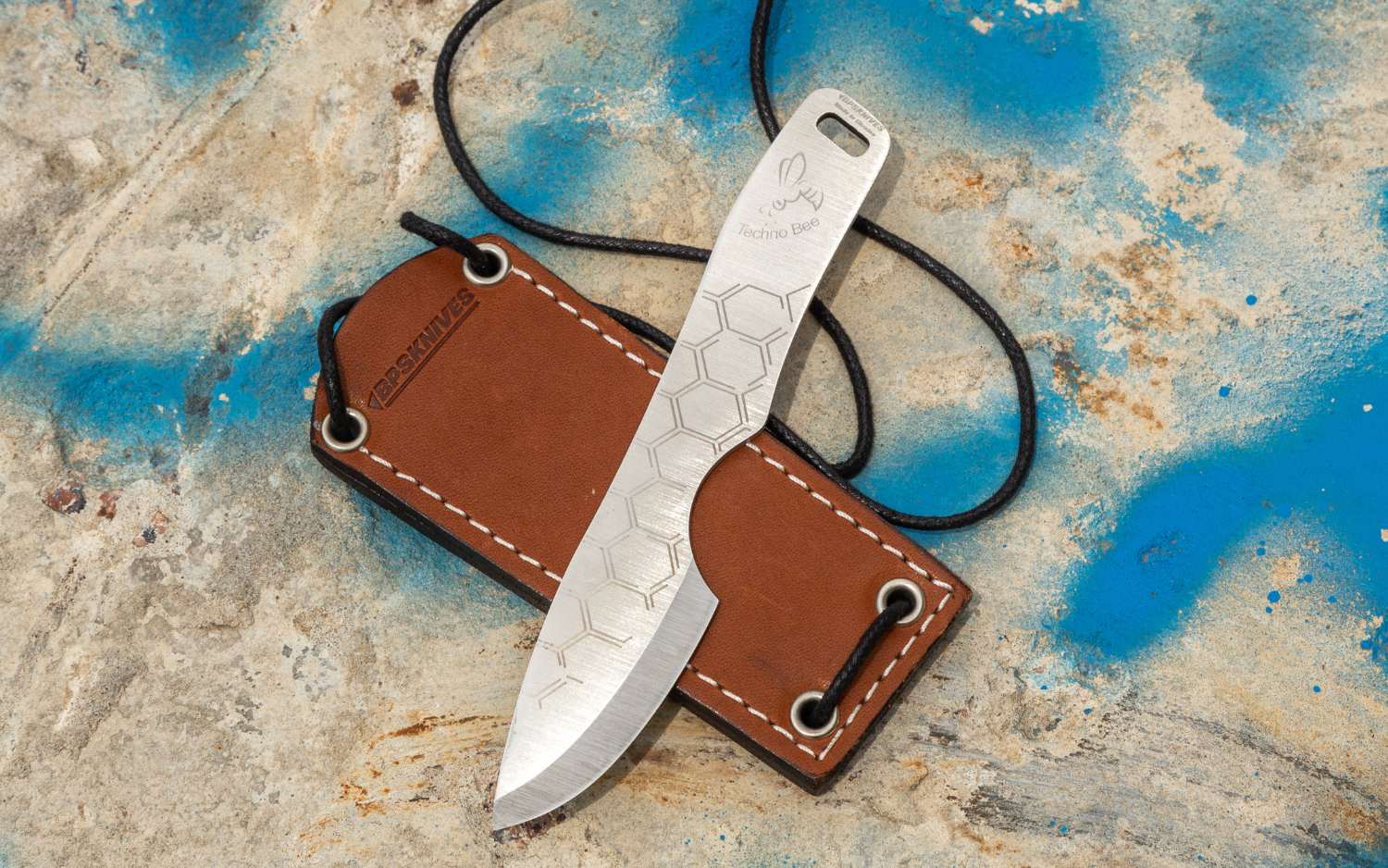
The next blade of our production is Techno Bee SSH. As compact, manoeuvrable and stinging as a bee! It is made entirely of 5Cr14MoV steel and has a hardness of 57-59 HRC. This makes it a great, versatile EDC knife that will confidently handle rope cutting, cooking, starting fires or opening boxes and envelopes. This blade comes with our branded genuine leather sheath, which allows you to wear the knife either on your belt or around your neck. The perfect choice for carrying in the city.
Nighthawk Adventurer
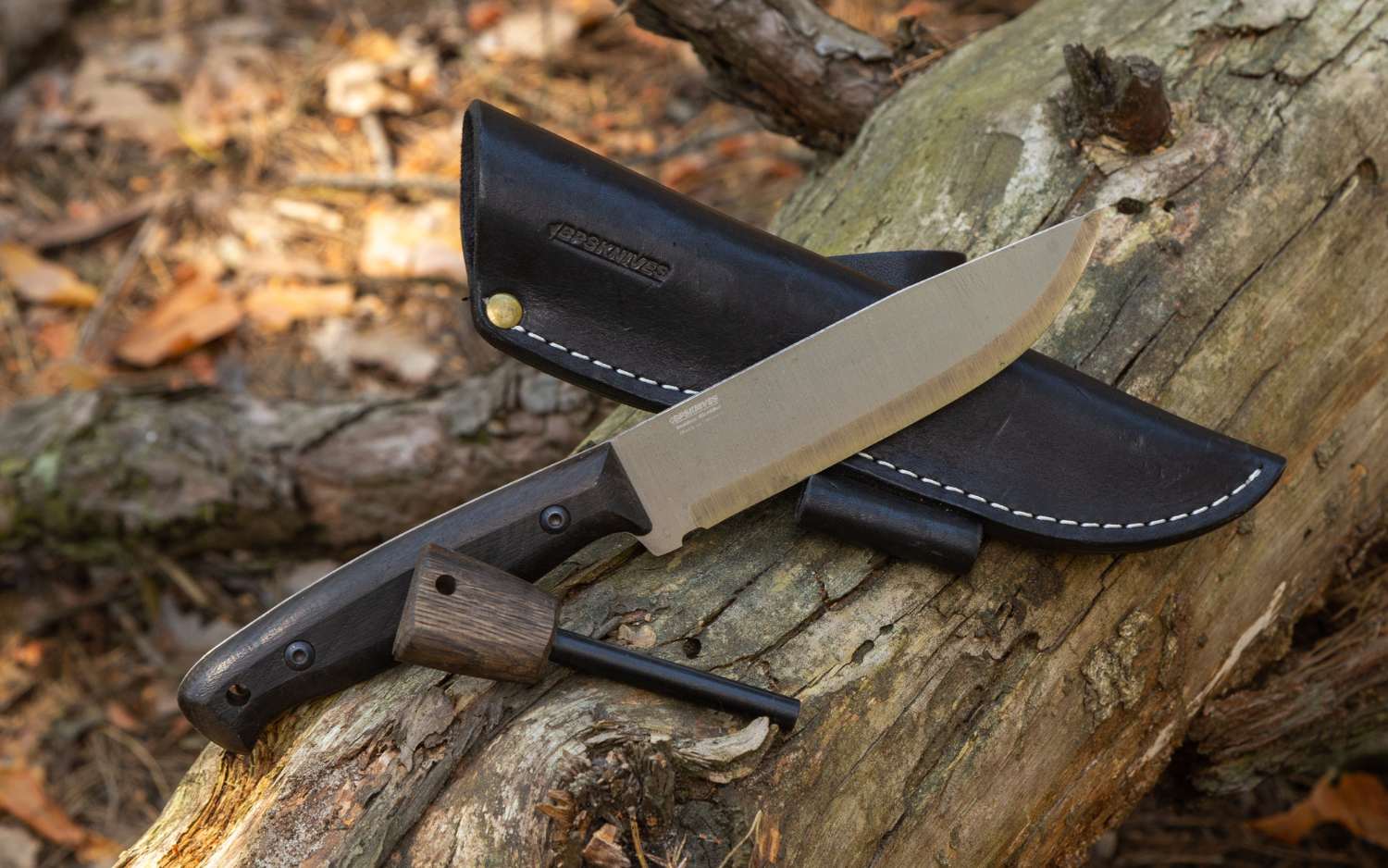
Another one of our pride – Nighthawk Adventurer! The blade is made of 5Cr14MoV steel with a hardness of 56-58 HRC and fully justifies its name! Versatile and predatory, it is perfect for camping, hiking, hunting, fishing and much more. You can even chop wood with it, let alone just cutting ropes or cooking!
The handle is made of dark oak, which in addition to its beauty has excellent durability. The handle is coated with Danish oil, which makes this bushcraft knife resistant to moisture and dirt. The handle is fixed with Corby ties that can be easily unscrewed for knife cleaning. The scabbard is made of black genuine leather (this knife is named Nighthawk after all), which will keep the blade intact and decorate your belt.
But that’s not all. In addition to the above mentioned, the knife comes with a Ferro Rod, also known as ferrocerium rods or firesteel! These rods are made of a metallic alloy that produces a spark when scraped with a rough surface, such as a knife or a piece of flint. So you can always make a fire when you need it.
Caring for 5Cr14MoV Stainless Steel
5Cr14MoV steel can be rust resistant a lot, but even it needs proper care! So, what’s needed:
1. Regular Cleaning
- Wipe after each use: Clean your knife or tool with warm water and mild soap to remove food residue, oils, or dirt. Avoid harsh chemicals that can damage the steel.
- Dry immediately: Always dry the blade thoroughly after cleaning to prevent water spots or corrosion. This is especially important in humid or salty environments (e.g., near the sea).
2. Avoid Long-Term Exposure to Moisture
- While 5Cr14MoV is resistant to rust due to its chromium content, it’s not immune. Long-term exposure to moisture (e.g., leaving a knife in a damp kitchen drawer) can lead to corrosion, so ensure your blade stays dry.
3. Edge Maintenance
- Sharpening: 5Cr14MoV holds an edge reasonably well but will need sharpening over time, especially with regular use. Use a fine sharpening stone, a diamond stone, or a ceramic rod to keep the blade sharp. While it doesn’t take a highly refined edge like high-end steels, it sharpens fairly easily.
- Honing: Use a honing rod to realign the blade’s edge between sharpening sessions. This will help maintain sharpness and improve the longevity of the blade.
4. Storage
- Dry & Safe Environment: Store your tools or knives in a dry, cool place. Avoid leaving them in high-humidity areas like bathrooms or near water sources.
- Knife Blocks or Sheaths: If storing knives, consider using a knife block, magnetic strip, or protective sheath. This keeps the edge protected and minimizes contact with surfaces that might dull it prematurely.
5. Lubrication for Protection
- For extra protection, you can apply a thin coat of mineral oil, food-safe oil (for kitchen knives), or a specialized blade oil to the blade to prevent corrosion, especially if storing knives long-term. This is particularly important in coastal or high-humidity environments.
6. Avoid Hard and Abrasive Surfaces
- While 5Cr14MoV is relatively tough, it’s best to avoid cutting on hard surfaces like glass, metal, or stone. Always use a wooden or plastic cutting board to preserve the sharpness and prevent excessive wear on the edge.
7. Handling and Use
- Don’t use for tasks it wasn’t designed for: Like all knives, use the 5Cr14MoV blade for its intended purpose (e.g., food preparation or light outdoor tasks). Don’t use it for prying, scraping, or other heavy-duty tasks that can damage the blade.
- Use a soft cloth or towel to wipe off any moisture or dirt after use.
8. Avoid Extreme Temperatures
- While the steel can handle some temperature variation, sudden extreme heat or cold can cause stress and potentially lead to cracks or brittleness over time, particularly in the heat-treated edge.
9. Resharpening and Maintenance Schedule
- Depending on usage, resharpening may be required every few months to a year. Regular honing and proper storage should extend the intervals between full sharpening sessions.
Conclusion: Is 5Cr14MoV Stainless Steel the Right Choice for You?
To summarise, we can safely say that 5Cr14MoV Stainless Steel is the best choice for camping, hiking, hunting, fishing and extreme sports enthusiasts. Such a knife will be your faithful assistant in any harsh conditions, it perfectly rolls with the punches against moisture, dirt and rust. Don’t forget to check out our online-shop, there you will find the knife of your dreams and go ahead, adventure awaits!