
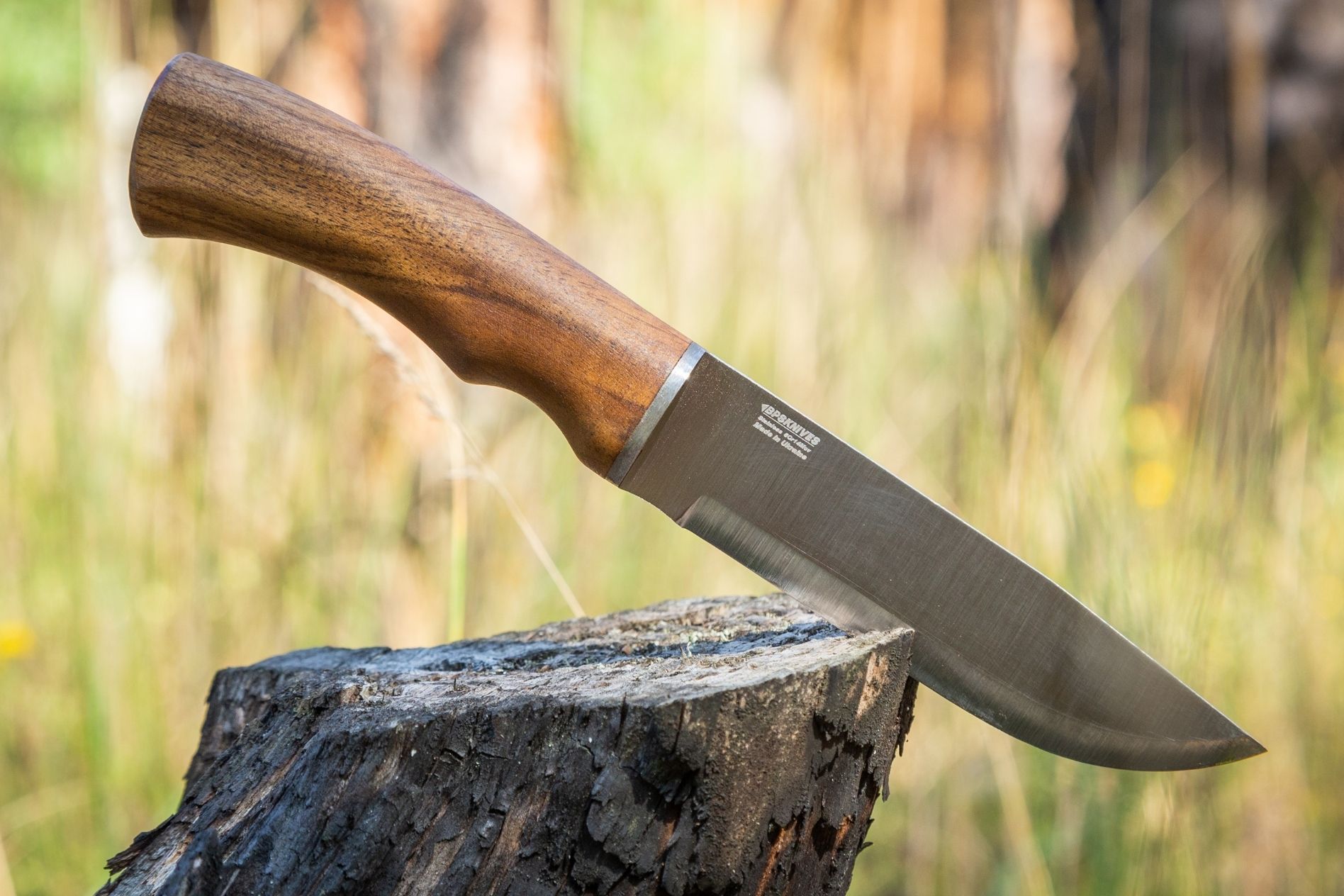
In 1913, the old-timer Harry Brearley decided to experiment with various metal alloys and their properties! To his surprise, he discovered that steel with a high chromium content could resist acid corrosion! And that was just the beginning. The whole world was thrilled — at last, humanity had a metal that simply didn’t care about rust or corrosion, something we could finally forget about forever! But alas, it wasn’t quite that simple.
The popularity of stainless steel in the knife world. Define stainless steel
What is in stainless steel? It is a go-to material for both manufacturers and users due to its balance of corrosion resistance, ease of maintenance, and versatility. It’s widely used in everything from budget-friendly kitchen knives to high-end EDC (Everyday Carry) and tactical blades. Its popularity stems from its practicality, but also from its broad range of types and properties.
The main types of stainless steel used in knives
Not all stainless steels are created equal. Here are a few of the most common types found in knife-making:
- AUS-8 / AUS-10: Japanese steels known for corrosion resistance and ease of sharpening.
- 440C: Once considered high-end, now a mid-range rustless steel with solid corrosion resistance.
- VG-10: A premium Japanese steel with a strong balance of edge retention and rust resistance.
- S30V / S35VN / S90V: Powder metallurgy steels from Crucible, prized for toughness and edge retention. One of the best stainless steel for knife!
- 8Cr13MoV: Common in budget knives; decent performance for the price.
- 14C28N / Sandvik steels: Known for fine edge sharpness and good corrosion resistance.
Each steel type has its own strengths and trade-offs, which is why knife enthusiasts often choose blades based on their specific use case.
Characteristics that make stainless steel special. Is stainless steel toxic free
What makes stainless steel so appealing for knife makers and users?
- Corrosion Resistance: The defining trait—thanks to its chromium content (typically at least 10.5%).
- Low Maintenance: Requires less care than carbon steel, making it ideal for outdoor or kitchen use.
- Variety of Compositions: From soft and easy to sharpen to hard and wear-resistant, there’s a stainless steel for every need.
- Versatility in Production: Suitable for mass production as well as high-end custom knives.
Why there are so many misunderstandings around stainless steel
Decades of aggressive marketing have taken their toll — stainless steel became surrounded by a host of legends, tales, sagas, and myths. People started believing that stainless steel never rusts, that all stainless steel is the same, that it’s always inferior to carbon steel, that knives made from it require no maintenance, and so on.
 The most common myths about stainless steel
Let’s clear up these misconceptions once and for all:
Myth 1 – Stainless steel does not rust at all
While stainless steel is more resistant to corrosion than many other metals, it is not entirely rust-proof. Under certain conditions—like exposure to saltwater, chemicals, or high humidity—stainless steel can stain, corrode, or develop surface rust. The key to its corrosion resistance is the thin, invisible layer of chromium oxide on the surface, which can be damaged if not properly maintained.
Myth 2 – All stainless steels are the same
There are more than 150 different grades of stainless steel, each designed for specific applications. The most common types include austenitic, ferritic, and martensitic stainless steels. They vary in terms of corrosion resistance, hardness, strength, and magnetic properties. For example, 304 stainless steel is excellent for kitchen use, while 440C is preferred for high-end knives due to its hardness and edge retention.
Myth 3 – If a knife is made of stainless steel, it does not require care
Believing this is a big mistake! Yes, stainless steel knives resist rust and corrosion well, and yes, they’re easier to maintain than carbon steel knives—but they still require regular cleaning, drying, sharpening, and proper storage. Food acids, moisture, and neglect can still dull the blade or cause minor corrosion over time. No knife is truly maintenance-free — it is always very important.
Myth 4 – Stainless steel does not cut well or is brittle
This myth likely comes from comparing different types of stainless steel. Lower-quality stainless steels may not hold a sharp edge, but premium stainless steels can be incredibly sharp, durable, and precise. Many high-end chef’s knives and surgical instruments use hardened stainless steels that offer an excellent balance of sharpness, toughness, and corrosion resistance.
Myth 5 – Stainless steel is not afraid of high temperatures
While stainless steel can withstand moderate to high temperatures, it’s not immune to heat damage. Prolonged exposure to very high temperatures can lead to scaling, discoloration, and even structural weakening. Some specialized stainless steels are designed for heat resistance, but in general, the material does have thermal limitations.
 Caring for a Stainless steel knife blade
As we’ve already established, despite the name “stainless,” this steel still needs care just like any other!
How to clean a stainless steel knife
- Clean immediately after use to prevent food acids, moisture, and debris from causing staining or corrosion.
- Use warm water, mild dish soap, and a soft sponge. Avoid abrasive scrubbers, which can scratch the blade.
- Dry thoroughly with a clean towel—never air dry—as lingering moisture can lead to rust spots, especially near the edge or handle.
- Avoid the dishwasher. The high heat, moisture, and detergent can damage both the blade and handle over time.
Storing a Knife
- Store knives in a knife block, magnetic strip, or blade guard—never loose in a drawer where the edge can dull or chip.
- Ensure the storage area is clean and dry to minimize exposure to moisture and prevent accidental nicks.
- If using a drawer insert, choose one designed specifically for knives to protect the edge and prevent accidents.
Oils and Anti-Corrosion Agents: How Often and Which Ones Should Be Used
- While stainless steel is corrosion-resistant, it’s still wise to apply a light oil coat periodically—especially if you live in a humid climate or store the knife long-term.
- Use food-safe mineral oil or specialized knife oils like camellia oil for kitchen knives.
- Apply a thin coat every 1–2 months for regular use, or more frequently in humid environments.
- Wipe off excess oil with a soft cloth to prevent buildup and maintain a clean, safe surface.
Why What Not to Do with a Stainless Steel Knife: Common Mistakes
- Don’t cut on hard surfaces like glass, granite, or ceramic—use a wooden or plastic cutting board to preserve the edge.
- Avoid soaking the knife in water, especially with acidic ingredients, which can lead to spotting or pitting.
- Don’t use the knife for prying, twisting, or opening cans—this can damage the blade or even cause injury.
- Never leave the knife dirty or wet—this is a fast track to staining and dulling.
When to choose stainless steel, and when not
And most importantly, do you, my dear friend, really need a stainless steel knife? Well, that depends.
For EDC, fishing, outdoor conditions
Stainless steel is perfect for camping, hiking, survival, everyday carry (EDC), hunting—in short, for extreme conditions where your blade will come into contact with dirt, moisture, and temperature changes!
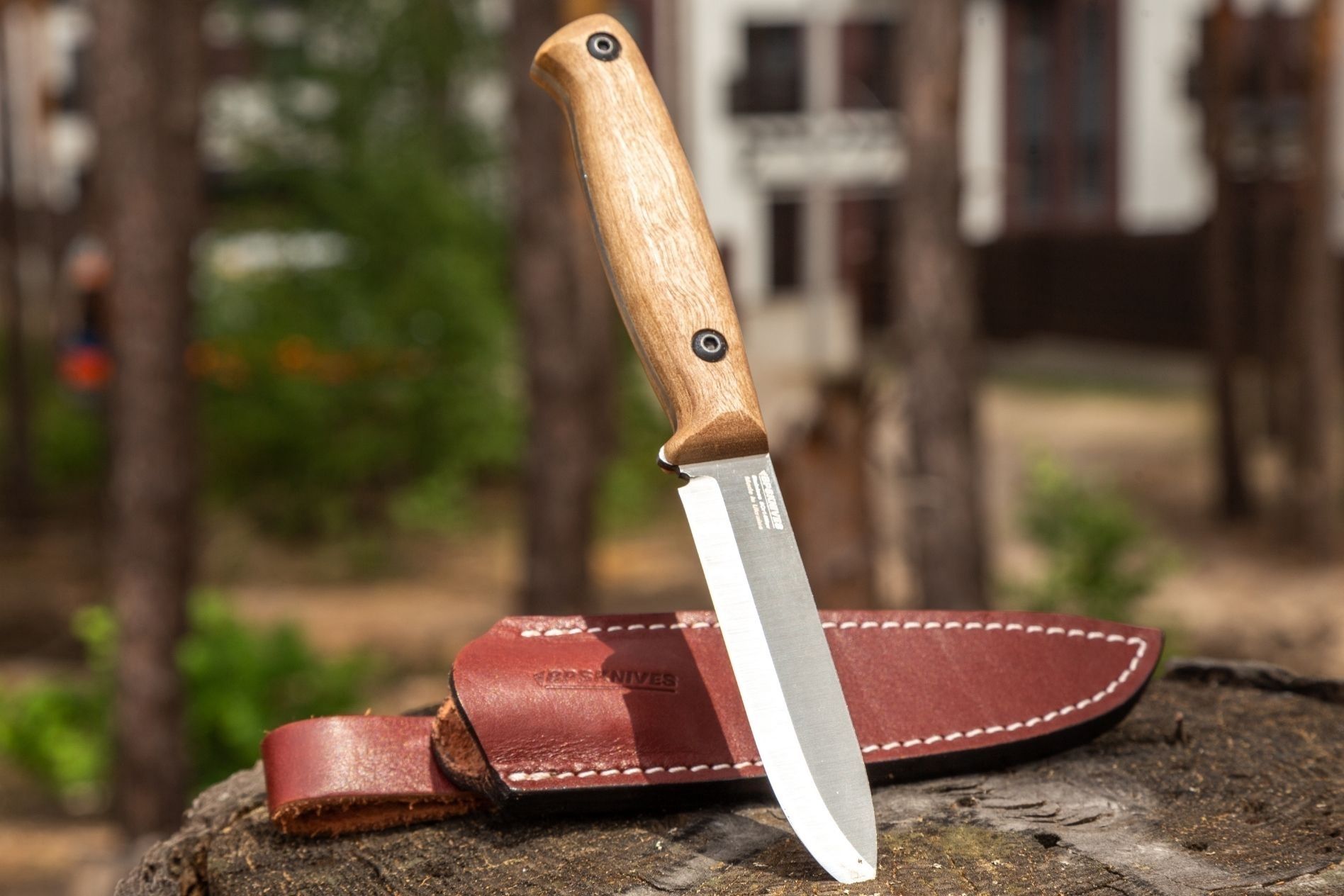
And lo and behold, our craftsmen have created just such a stainless steel knife for all occasions! We call it the Citizen SSH. [LINK!] It’s made from 5Cr14MoV steel, with a hardness of 56-58 HRC, features a micarta handle, and comes with practical, durable ABS plastic sheath. Truly one of the best stainless knife steel!
This knife will perform spectacularly in any extreme environment where you might need to cut ropes, gather firewood, build shelter, or dress game. Even in combat zones, this blade will shine! The ultimate tool for every situation.

For beginners and those who do not want to bother with care
What if you’re a beginner or simply don’t want to bother with endless sharpening, oiling, and constant blade care? Then stainless steel is the best choice! Stainless steel is ideal for beginners or anyone who wants a “set it and forget it” experience. It’s easy to maintain, resists rust with minimal effort, and is widely available in affordable options.
For the kitchen
Many home cooks and professionals often ask, does stainless steel make a good knife! And of course, the classic and most common choice—a kitchen knife made from stainless steel. In the kitchen, your blade constantly encounters moisture, dirt, acidic foods, and more! Corrosion and rust resistance are invaluable here. Plus, care for such a knife is as simple as turning a door handle, which is especially important in a restaurant or café kitchen where knives are in use 24/7!
Conclusion
So, here’s the deal: stainless steel isn’t a magic cure-all for corrosion and rust, but it greatly improves your knife’s chances of avoiding them with minimal and straightforward care! Next time we will speak about how to remove rust from stainless steel knife!
And you won’t forget to check out our online store, right? It’s a paradise for all knife enthusiasts, campers, hikers, survivalists, and the like. Until the next exciting encounter!