
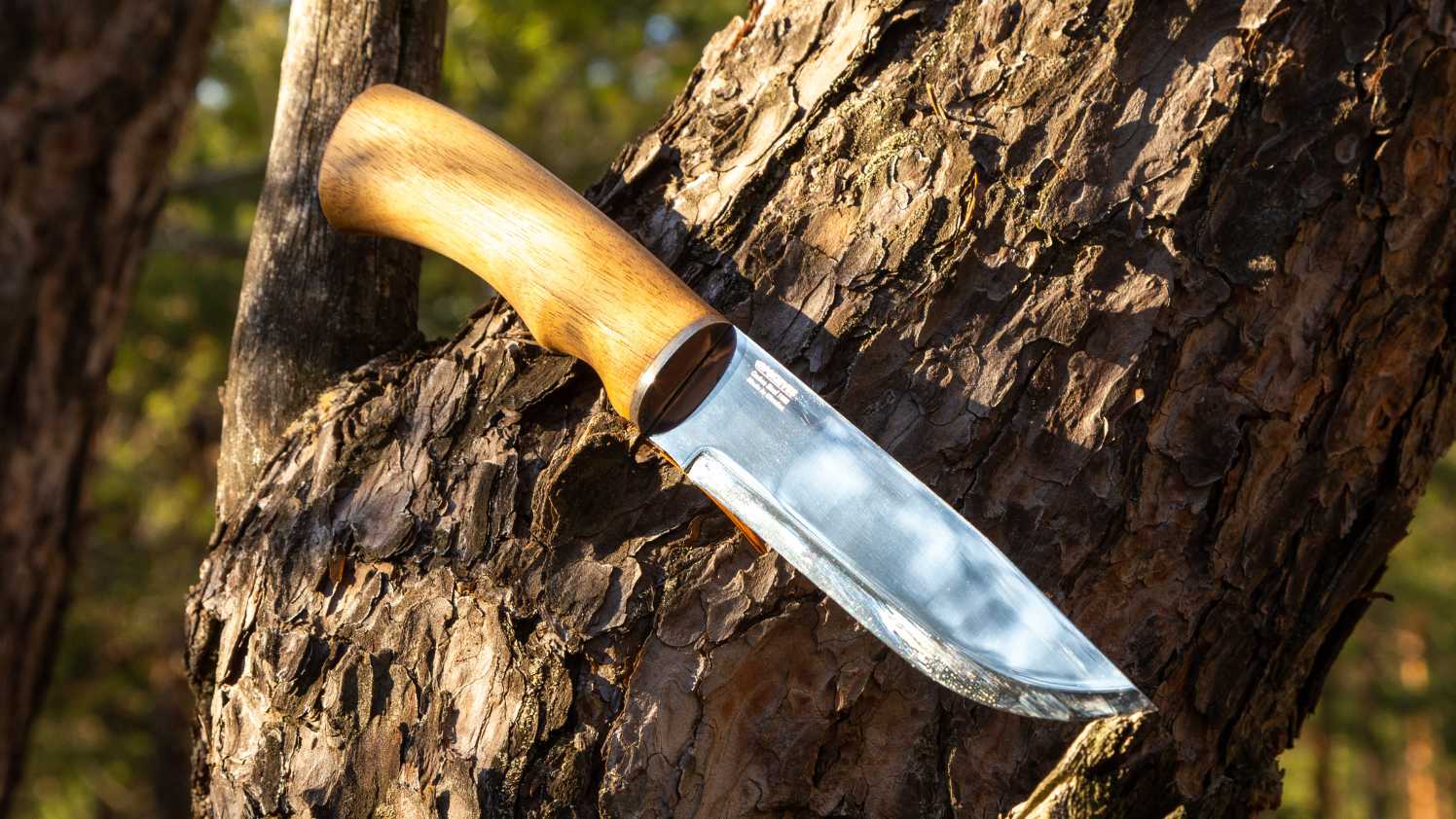
A lot depends on the quality of steel, because it determines whether your carbon steel knife can withstand the strain you put on it or whether it will break and become scrap.
That’s why we will talk about 1066 steel, which is an excellent choice for making a knife. Renowned for its balance of toughness, edge retention, and historical significance, 1066 steel continues to hold a special place in the hearts of those who appreciate the simplicity and reliability of finely crafted knives and tools.
Chemical Composition of 1066 Steel
Chemical composition! Here it’s go:
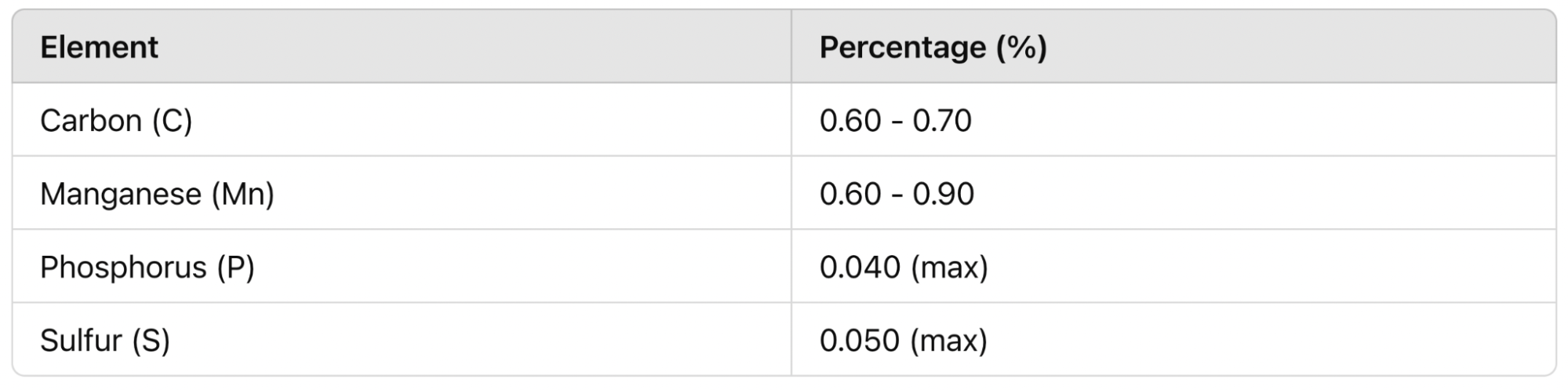
Why this composition? Because:
- Carbon enhances hardness and strength in steel, making it suitable for applications requiring durability and wear resistance;
- Manganese contributes to the toughness and hardenability of the steel. It also helps in deoxidizing the steel and improving its workability and machinability;
- Phosphorus can increase the strength and hardness of steel but excess amounts can adversely affect its ductility and toughness;
- Sulfur enhances machinability but may cause brittleness if present in excessive amounts.
Mechanical Properties of 1066 Steel
This steel has outstanding mechanical properties:
Hardness and Toughness
1066 steel has a hardness range of 149 to 187 HB or 56-58 HRC, depending on the heat treatment and processing. This hardness level provides good wear resistance and toughness, making it suitable for applications requiring resistance to abrasion and impact, such as carbon blade knife.
Tensile Strength and Flexibility
The tensile strength of 1066 steel is impressive, typically ranging between 620 MPa to 780 MPa (90,000 psi to 113,000 psi). This high tensile strength and flexibility makes it suitable for applications where strength and durability are critical.
Applications of 1066 Steel
It cannot be said that 1066 is the future of steel of course, but it has a nice price-quality ratio, that’s why it is snapped up in all areas of production. Namely:
Tool and Blade Making
This steel makes affordable and reliable knives! Whether tactical, hiking or survival, these knives have a satisfying durability and the price will make your wallet happy.
In addition, 1066 steel can be used in the manufacture of cutting tools such as saw blades and agricultural tools like sickles and scythes. Its hardness and edge retention make it suitable for cutting and slicing tasks.
Industrial Applications
- Leaf and Coil Springs. Due to its high strength and resilience, 1066 steel is commonly used in the production of leaf and coil springs for automotive and industrial applications. It can withstand significant stress and deformation without permanent deformation;
- High-strength Fasteners. Bolts, nuts, and other fasteners often require high tensile strength and durability. 1066 steel can be heat-treated to achieve the necessary strength and is used in these applications where reliability under tension is crucial;
- Railroad Components. It is utilized in the manufacturing of railroad spikes and other track components due to its ability to withstand heavy loads and stresses over extended periods;
- Farm Equipment. Components such as plowshares and tillage tools benefit from 1066 steel’s toughness and wear resistance, making it suitable for demanding agricultural applications.
- Industrial Machinery Parts. Various components in industrial machinery, particularly those subject to wear and impact, can be made from 1066 steel. Its properties ensure longevity and reliability under harsh operating conditions.
- Automotive Components. Apart from springs, 1066 steel can be found in other automotive components like clutch plates, gears, and transmission parts where its strength and durability are advantageous.
- Hand Tools. Tools such as chisels, hammers, carbon knife sharpener and wrenches benefit from the hardness and toughness of 1066 steel, ensuring they can withstand repeated use and heavy loads.
Examples of knives from BPS Knives made with this steel
In our shop we have beautiful knives made of this steel, what luck! For example:
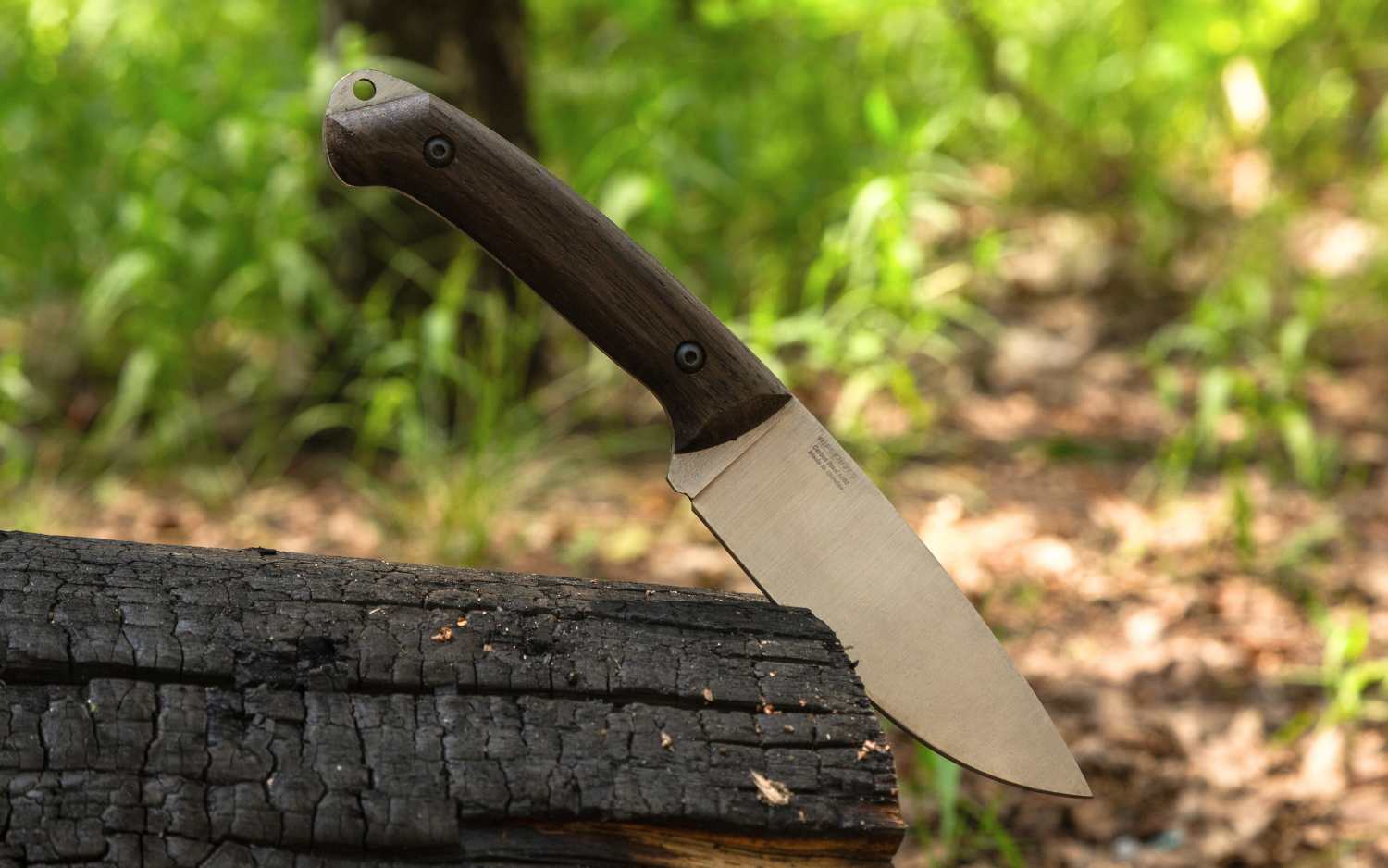
BS2FT CSH. This model is an excellent example of a bushcraft knife. It is a versatile tool that will help you feel confident on a hike, in camp and in the wilderness. It is light, easy to use, unpretentious and will help you in difficult situations;
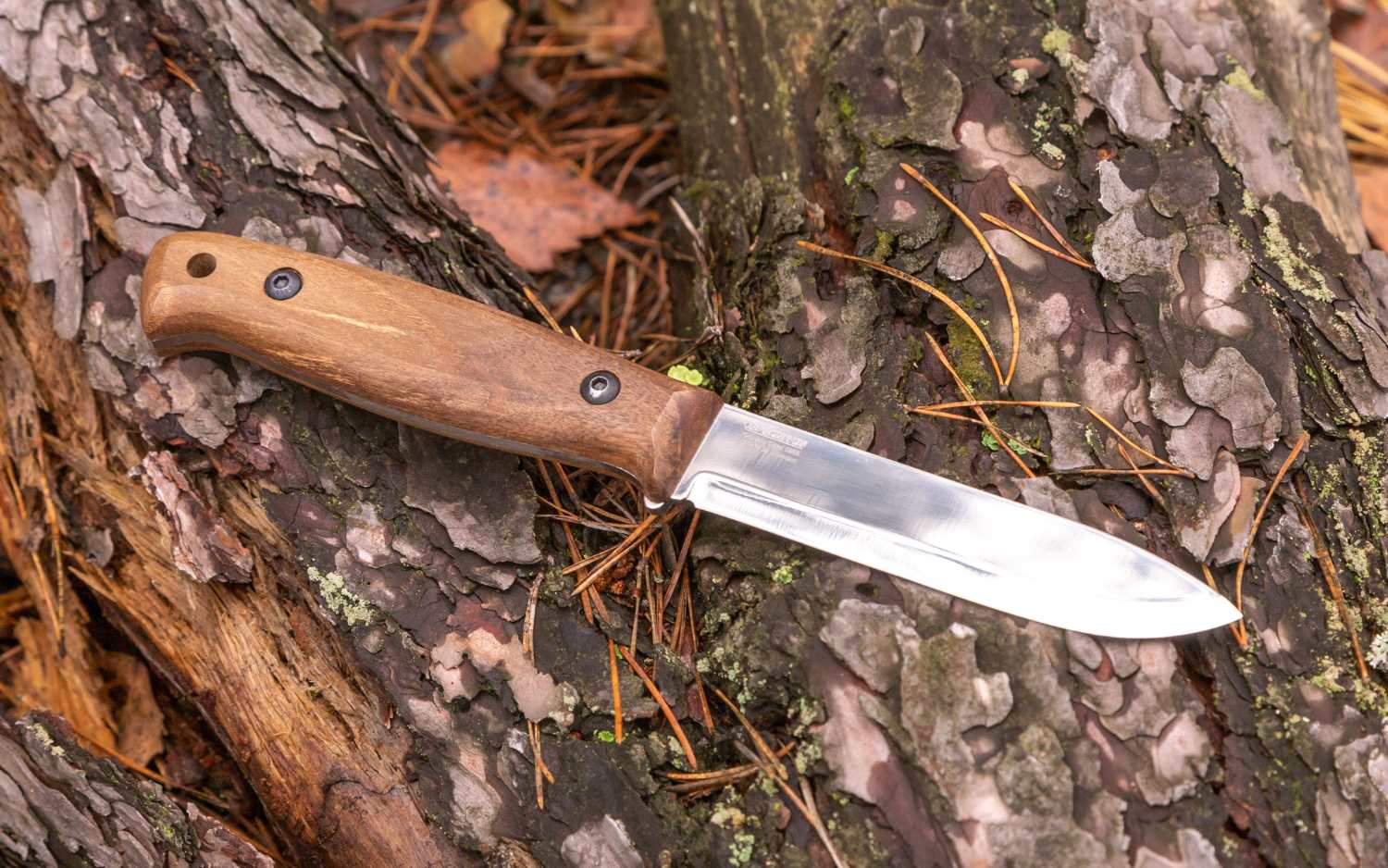
Savage CSH. As you understand, it’s called “savage” not for nothing. As you name the boat, so shall it float, as they said! Our knife fully justifies its name, a great knife for survival, hiking and extreme tourism. With this blade you can clean fresh animal skin, cut branches for making a fire, cut ropes, this knife will cope with any task. And how cool it looks by the way!
Care and Maintenance of 1066 Steel Knives
Alas, this steel is highly susceptible to corrosion, but this can be counteracted with a few simple steps of carbon steel knife care:
Cleaning After Use
- Immediate Cleaning. After each use, wash the knife with warm water and mild dish soap. Avoid leaving it unwashed for prolonged periods, especially if it has acidic or salty residues.
- Avoid Dishwashers. Never put your 1066 steel knife in the dishwasher, as harsh detergents and high heat can damage the blade and handle materials.
Drying
- Thorough Drying. Hand-dry the knife immediately after washing with a soft cloth to prevent water spots and rust formation.
- Air Drying. Ensure the knife is completely dry before storing. Allow it to air dry in a safe place if necessary.
Storage
- Dry and Ventilated Location. Store your knife in a dry place with good air circulation. Avoid storing knives in damp, enclosed spaces (like drawers) where moisture can accumulate.
- Knife Block or Magnetic Strip. Use a knife block, magnetic strip, or knife sheath to protect the blade and prevent accidental damage.
Maintenance
- Regular Honing. Use a honing steel or ceramic rod to realign the edge of the blade before or after each use to maintain sharpness.
- Sharpening. Periodically sharpen the knife using a sharpening stone or a professional sharpening service. High-carbon steel knives like 1066 can develop a patina over time; this is normal and can add character to the blade.
Handling and Care:
- Avoid Twisting. Do not twist the knife when cutting, as this can cause the blade to chip or bend.
- Avoid Hard Surfaces. Avoid cutting on hard surfaces like glass, granite, or metal, as this can dull or damage the blade.
Oil Application
- Protective Coating. Apply a thin layer of food-safe mineral oil to the blade before long-term storage to prevent oxidation and rusting.
General Tips:
- Regular Inspection. Check your knife regularly for any signs of rust, dullness, or damage.
- Use Proper Cutting Boards. Use wooden or plastic cutting boards instead of hard materials like glass or stone, which can damage the knife edge.
Conclusion
We are sure that this article has made you inexorably want to buy one or even a couple of our 1066 steel knives. Give in to this desire and you will acquire not just a knife, but a faithful helper, which will serve you for decades and will save you many times.