
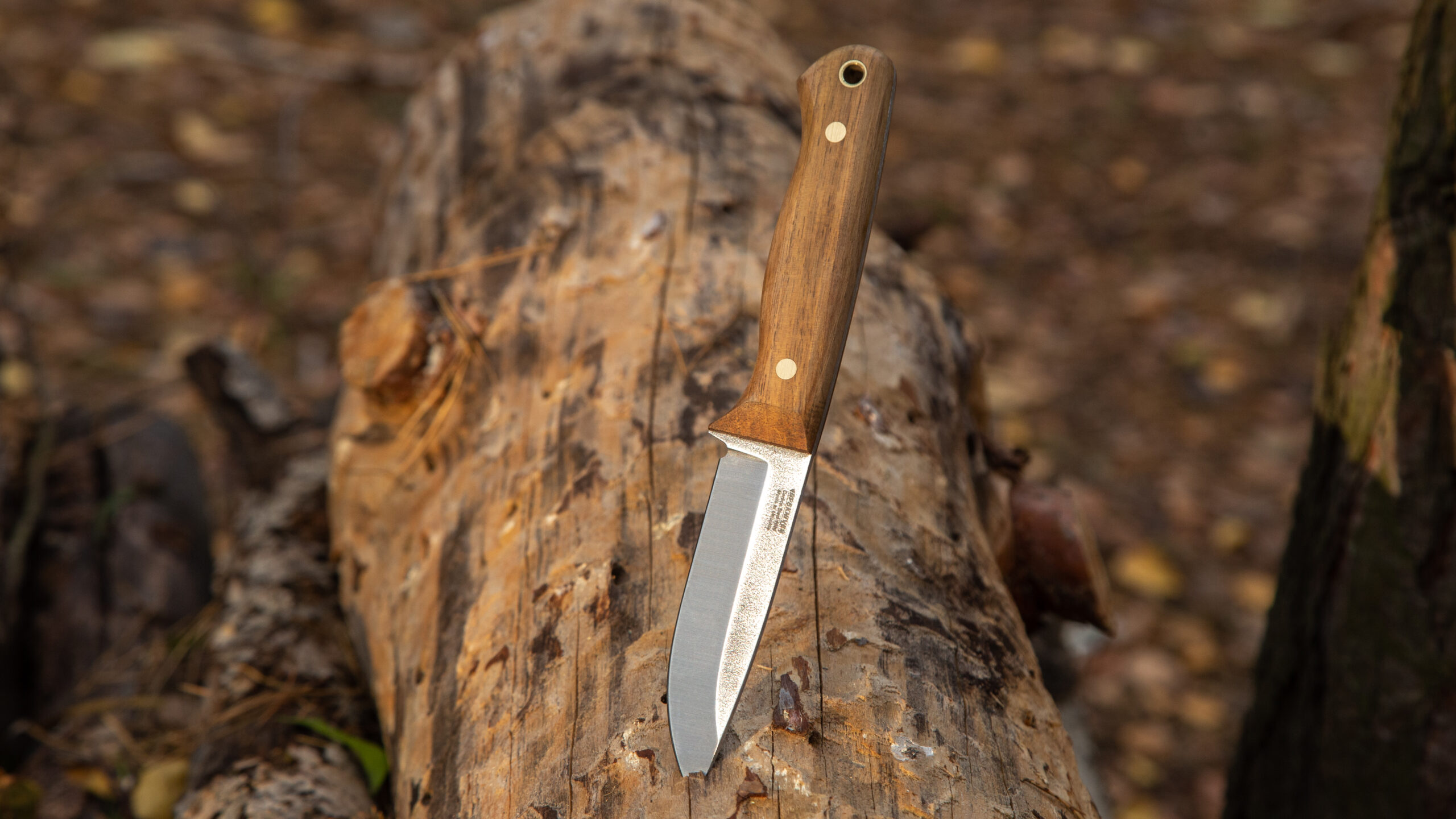
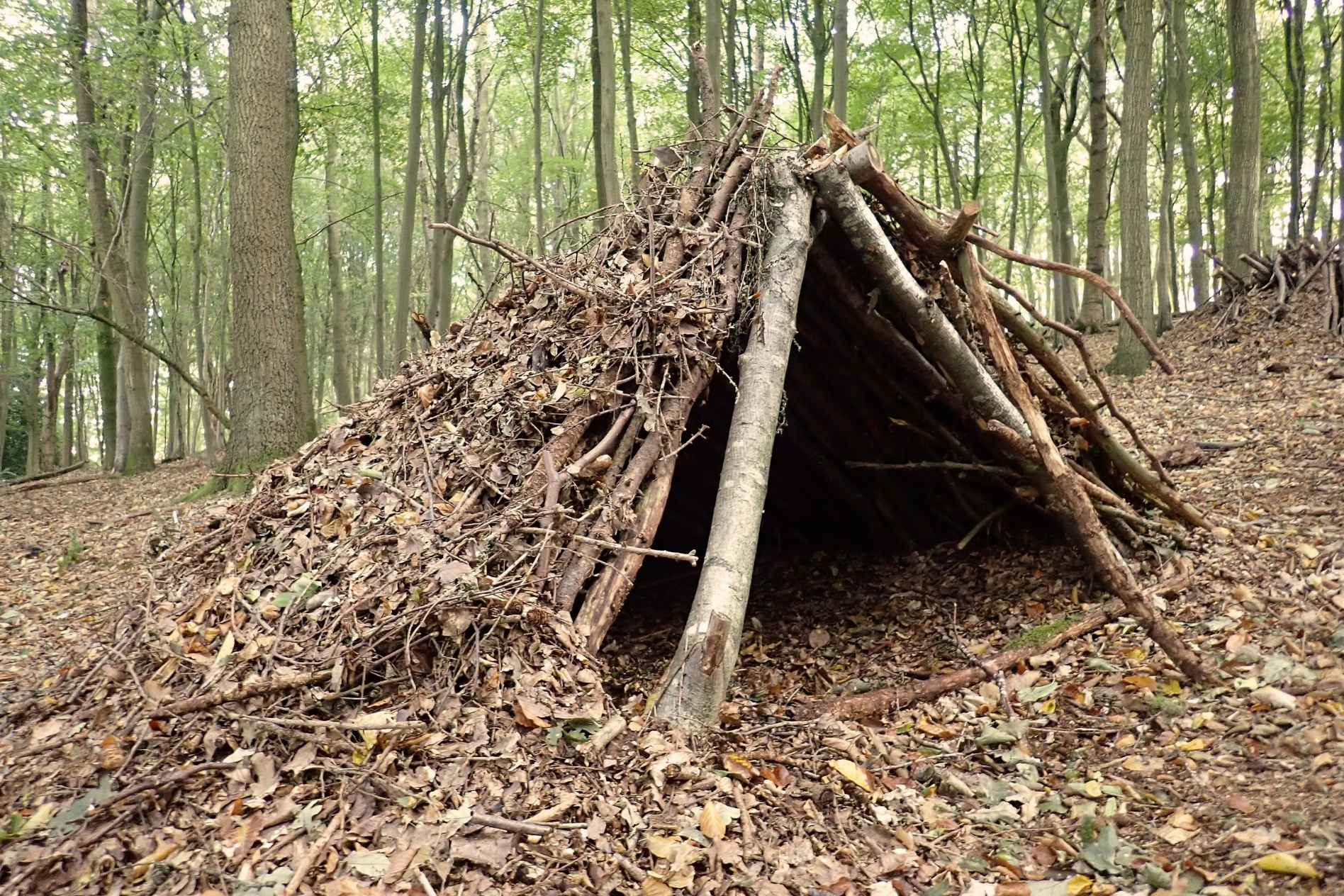
Any thrill-seeker who’s wandered through wild forests, endless tundra, steamy jungles, or any other godforsaken wilderness will tell you this: survival out here is damn near impossible without a proper shelter. And you’ll be building that shelter from whatever scraps and sticks you can scavenge right beneath your boots!
Importance of having a reliable knife for constructing shelter in the wild
What you need is the right survival knife for the job—one that’s reliable, durable, corrosion-resistant, and razor-sharp. With the right tool, you’ll be able to cut branches, split wood, carve notches, sharpen stakes, and strip bark—essential tasks when constructing a shelter to protect yourself from the harsh elements of nature. And you won’t have to worry about the blade turning into a rusty piece of scrap if it gets wet!
The Role of Knives in Shelter-Building
Now, let’s take a closer look at the role of these knives!
Essential Functions in Construction
The best knives for outdoor survival serve several critical purposes during shelter construction. They are used for:
- Cutting branches and saplings to the required size for framing or insulation.
- Stripping bark to reduce weight or create lashings.
- Carving notches that help secure poles or beams.
- Splitting wood for stakes or roofing components.
- Sharpening sticks for digging tools or securing the structure.
Advantages of Using a Knife
Shelter building with knife offers numerous advantages:
- Portability: Knives are compact and lightweight, making them ideal for carry in almost any environment.
- Versatility: One knife can replace multiple tools, from saws to chisels, when used skillfully.
- Speed and Efficiency: A sharp blade allows faster processing of materials compared to using rocks or improvised tools.
- Precision: Tasks requiring fine motor control—like carving notches or shaping joints—are much easier with a knife.
- Durability: A high-quality survival knife can withstand repeated use in harsh conditions without failure.
 Key Features of Knives Suitable for Shelter-Building
1. Blade Material:
The type of steel used in the reliable knives for camping greatly affects its strength, sharpness retention, and ease of maintenance:
- High Carbon Steel: Known for toughness and edge retention; easy to sharpen in the field but prone to rust without proper care.
- Stainless Steel: More resistant to corrosion, making it ideal in wet environments, though it may not hold an edge as long as high carbon.
2. Full Tang Construction
A full tang knife—where the blade extends the full length of the handle—is essential for heavy-duty tasks like batoning or prying. This design provides superior strength and reduces the risk of breakage under stress. Perfect for using knives in the wild!
3. Blade Thickness and Length
- Thickness: A thicker blade (typically 3–5 mm) adds durability for chopping and splitting.
- Length: A blade length between 4 and 6 inches strikes a balance between precision and leverage.
4. Fixed Blade vs. Folding
For shelter-building, a fixed blade knives for survival is generally preferred due to its sturdiness and ease of maintenance. Folding knives, while compact, are less reliable under heavy use.
5. Handle Design
A comfortable, ergonomic handle with a non-slip grip is crucial. Materials like micarta, rubber, or textured plastic offer a secure hold even in wet or cold conditions.
6. Additional knife shelter construction tips:
- 90-degree spine: Useful for striking a ferro rod to start fires.
- Lanyard hole: Allows you to secure the knife to your wrist or gear.
- Sheath compatibility: A durable sheath with belt or MOLLE attachments improves accessibility and safety.
Complementary Tools and Techniques
Here you have a marvelous knife that will help you survive anywhere! Great, but how should you properly handle and use it? You should learn some knife techniques for building shelter!
 Using Knives with Other Tools
Pairing a knife with other bushcraft shelter tools can expand your shelter-building capabilities:
- Saw: A folding or bow saw complements a knife by allowing you to cut thicker logs quickly and safely. Use the saw for primary cuts and the knife for shaping and detail work.
- Hatchet or Axe: Ideal for chopping large branches or felling small trees. After rough cutting with a hatchet, use the knife for refining and notching.
- Cordage: Paired with a knife, cordage (like paracord or natural fibers) allows for secure lashings and structural integrity in shelters.
Working in tandem, these tools help reduce the workload on your knife and streamline shelter construction.
Learning Shelter-Building Skills
Even with the best tools, skill and knowledge make the difference. Key techniques to master include:
- Notching: Learn various types of notches (e.g., V-notch, saddle notch) for securing poles and beams.
- Lashing and Binding: Practice tying strong, stable knots and lashings to keep your shelter secure in wind or rain.
- Material Selection: Knowing which woods are best for structure versus insulation can improve durability and comfort.
- Improvisation: Understanding how to adapt based on available materials is a key survival mindset.
 Conclusion
That’s the deal. No second thoughts — jump into our online store with both feet, and we’ll help you find a knife worthy of conquering the galaxy itself, should you feel so inclined. We’ll even share a couple of tricks you can pull off with it! And then — off you go, adventure awaits!