
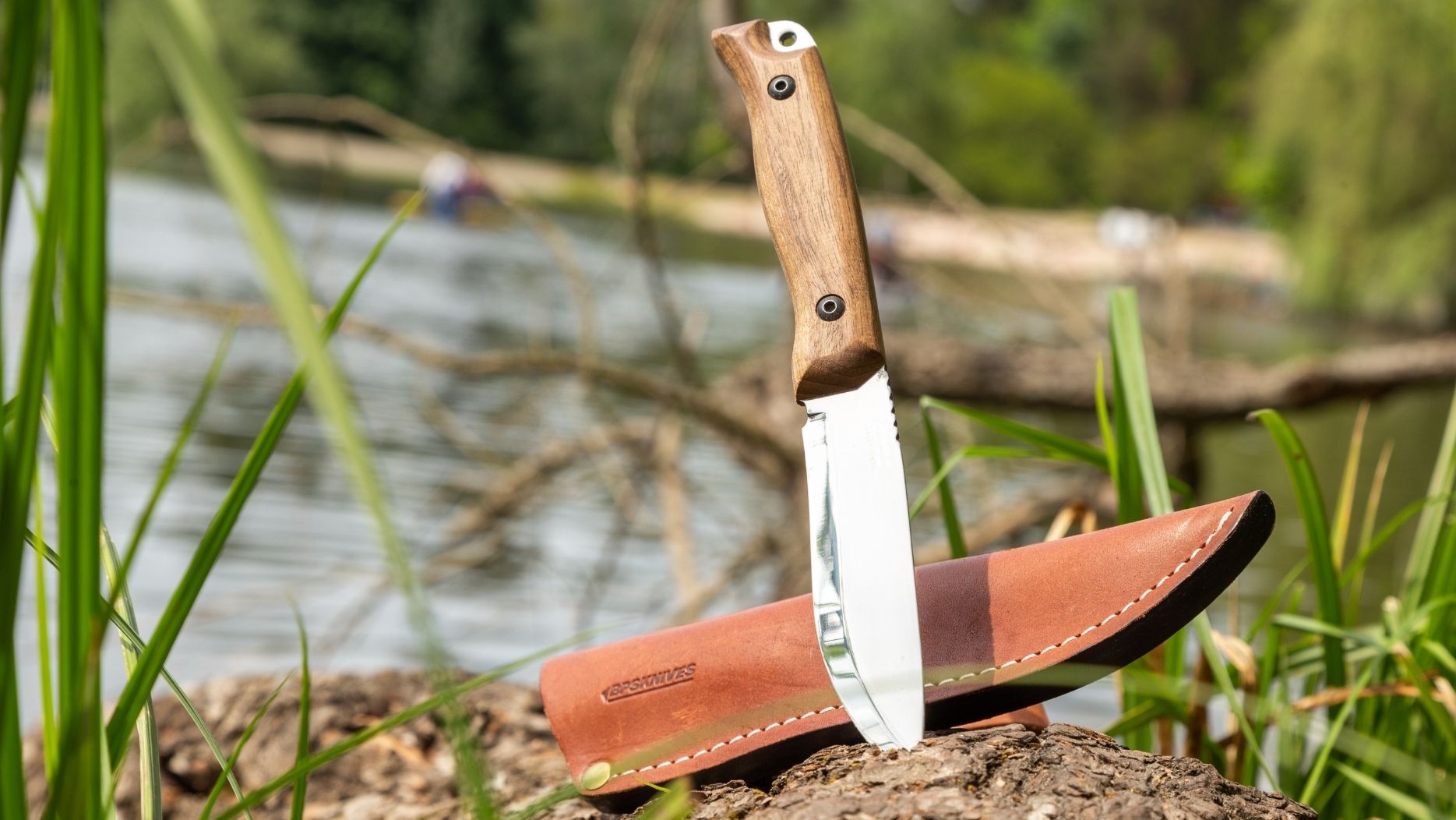
If you’re gearing up for an expedition to a rainy destination or planning to dive into the depths of the Red Sea—whether you’re hunting for crabs or simply soaking in its breathtaking beauty—there’s one essential tool you can’t forget: a knife. But not just any knife! You’ll need one that can brave the elements, resist corrosion, and stay sharp no matter the conditions.
The importance of selecting the right knife for extreme Wet weather conditions
The right knife can save your life and the lives of those close to you more than once! Beyond that, you’ll find yourself needing it time and again to build shelters, start fires, gut fish, and butcher meat. The list goes on and on. Truly, waterproof knives are a must-have tool for any adventurer!
Key Features of Extreme Wet Weather Knives
So, what makes a knife perfect for extreme wet weather conditions?
Corrosion Resistance
One of the most important qualities of such a knife is its ability to withstand moisture, corrosion, and rust. And it’s no surprise, really, constant exposure to moisture, especially saltwater, can cause blades to rust, pit, and deteriorate rapidly. To combat this, extreme weather knives are built from materials that resist rust and chemical breakdown:
- Stainless Steel: A popular choice for knives for wet environments because of its balance of corrosion resistance and edge retention. High-performing steels include 420HC, 440C, AUS-8, and VG-10.
- Titanium: Lightweight, highly corrosion-resistant, and completely non-magnetic—perfect for saltwater environments, though it tends to be more expensive and may require more frequent sharpening.
- Protective Coatings: Many survival knives for wet weather are treated with DLC (Diamond-Like Carbon), ceramic, or Teflon coatings that form a barrier against moisture and chemicals, significantly extending the blade’s lifespan.
Grip and Control
When your hands are wet, cold, or gloved, a secure grip can be the difference between precision and injury. Wet-weather knives are built with user safety and control in mind:
- Textured or Patterned Handles: Aggressive texturing, checkering, or grooved designs improve traction and help prevent slippage.
- Rubberized or Synthetic Grip Materials: Materials like Kraton, G10, or thermoplastic elastomers (TPE) offer excellent wet grip and ergonomic comfort.
- Ergonomic Design: A well-shaped handle that fits naturally in the hand improves long-term control and reduces fatigue or hot spots during extended use.
Blade Design
What knives don’t rust in water? Blade shape and structure directly impact how a knife performs in harsh conditions. For wet environments, the design must balance safety, efficiency, and durability:
- Blade Shapes: Common shapes include:
- Drop-point: Great all-purpose design with a strong tip.
- Sheepsfoot: Minimizes the risk of accidental punctures and offers a flat cutting edge.
- Tanto: Reinforced tip ideal for piercing tough materials.
- Partially Serrated Edges: Serrations are especially useful for cutting rope, straps, or fibrous material that you’ll commonly encounter in wet, outdoor settings.
- Thickness and Strength: A thicker, full-tang blade (where the metal runs through the entire handle) provides greater durability and resistance to bending or snapping under pressure, most top knives for survival are full-tang.
- Drainage and Maintenance Features: Some knives include water-draining grooves, corrosion-resistant fasteners, and simplified construction for easier cleaning and drying after use.
 Recommended Types of Knives
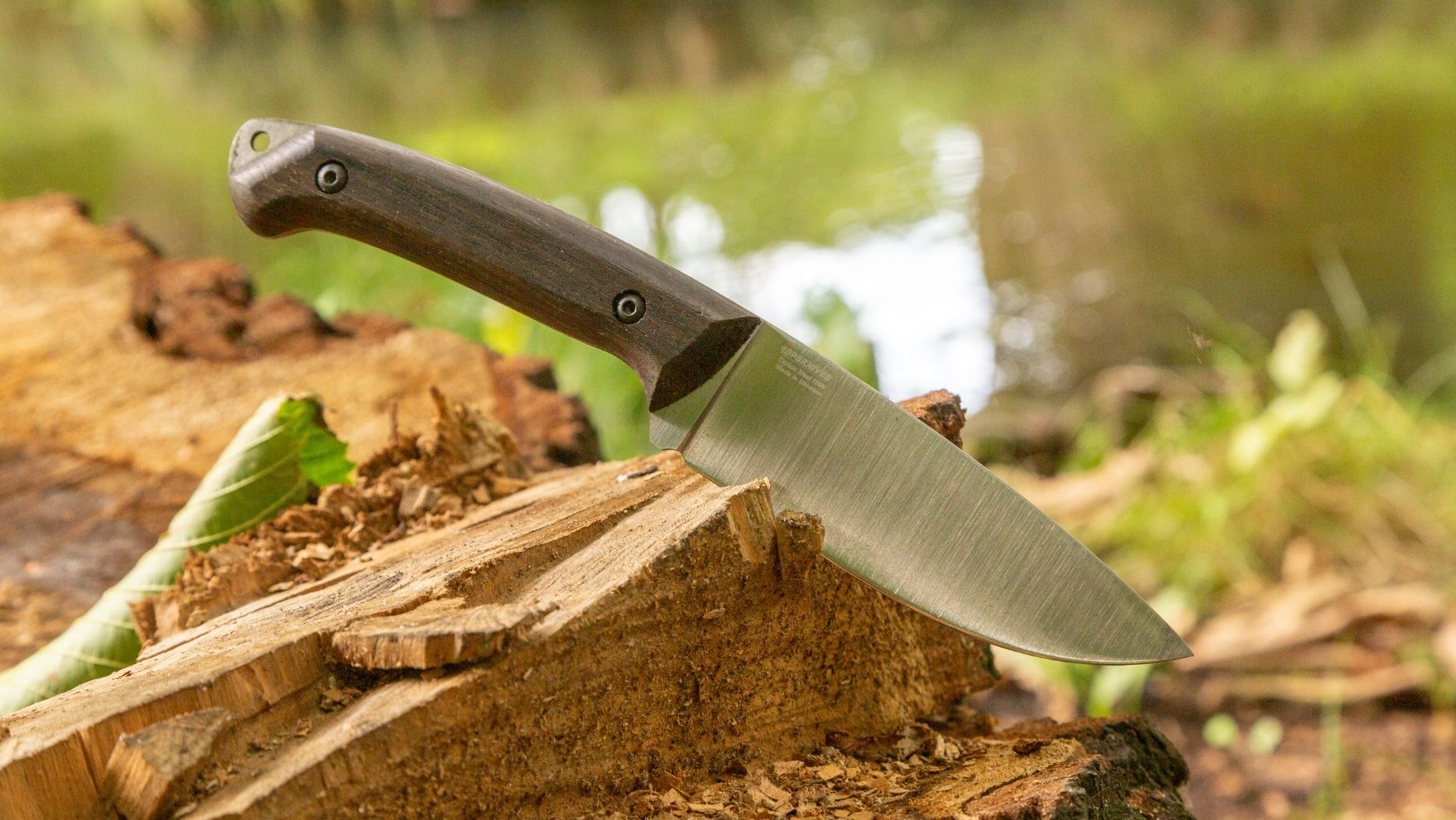
The perfect knife for extreme wet conditions is, of course, a full tang survival knife with a blade made of high-quality stainless steel, and ideally, a handle crafted from Micarta or G-10!
However, if you’re really set on something more portable, folding knives can still be a good choice—just make sure they have rust-resistant pivot areas and, ideally, drainage features. Frame locks or compression locks are usually more reliable than liner locks in wet conditions.
Best Blade Steels for Wet Weather
- LC200N: Virtually rustproof with excellent edge retention
- H1: Highly corrosion-resistant, ideal for saltwater use
- Magnacut: Modern steel with a great balance of corrosion resistance and toughness
- 440C / 420HC: Affordable and very resistant to rust, though softer than premium steels
- VG10: A balanced steel good for general wet conditions
Handle Materials That Work Well in Wet Conditions
- G-10: Tough and stays grippy when wet
- Micarta: Durable and textured, works well even when soaked
- Kraton or Rubberized Grips: Great for slippery environments like diving
- FRN (Fiberglass Reinforced Nylon): Lightweight, textured, and water-resistant

Maintenance Tips for Extreme Wet Weather Conditions
1.Rinse After Use
Always rinse your corrosion resistant knife with fresh water after exposure to saltwater, mud, or dirty rainwater. Salt and minerals can accelerate corrosion, even on stainless steels.
2. Dry Thoroughly
Dry the knife completely using a clean cloth. Pay special attention to joints, the pivot area (on folding knives), and the area between the blade and handle.
3. Lubricate Lightly
Apply a light coating of oil to the blade and any metal parts. Use a rust inhibitor like:
- Mineral oil (food-safe, good for knives used with food)
- WD-40 or CLP (for utility knives or tools)
- Knife-specific oils (e.g., EDCi or Tuf-Glide)
4. Store Properly
Avoid leather sheaths in wet environments—they trap moisture. Use kydex, plastic, or synthetic sheaths. For folding knives, store them in a dry pouch or container with a desiccant pack.
5. Open and Close Folders Regularly
If you’re using a folding knife, open and close it every so often, even if not in use, to keep the pivot moving freely and prevent corrosion buildup.
6. Sharpen as Needed
Wet conditions can dull edges faster. Keep a small sharpening tool handy (ceramic rod, diamond sharpener, or field stone) and touch up the edge before it gets too dull.
7. Inspect Frequently
Look for early signs of rust, discoloration, or grit in moving parts. Catching issues early makes cleaning and repair easier.
8. Choose Rust-Resistant Materials
Even with good maintenance, using a knife made from LC200N, H1, or Magnacut steels will reduce the amount of care needed in extreme conditions.
Conclusion
That’s the way it goes! Choose your knife wisely, and no rainy terrain or ocean will be beyond your reach. We’re here to help you with that! Visit our online store and pick out the blade of your dreams, ready to become your trusty companion in all your epic adventures. Until next time!